
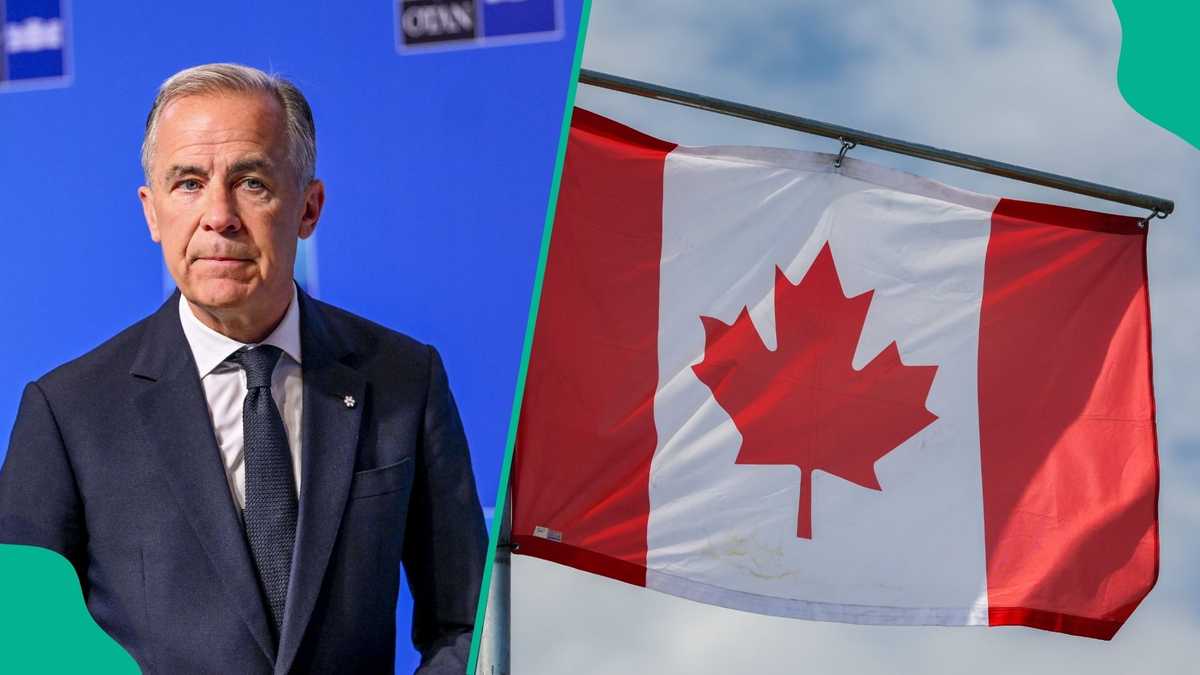

- Canada has offered medical doctors 5 distinct immigration pathways to gain permanent residence in the country
- Each programme targets different candidate profiles, from French speakers to those willing to settle in rural communities
- Doctors considering a move to Canada need to understand which pathway fits their qualifications and location preferences
Canada has opened multiple permanent residency pathways specifically suited to medical doctors who want to build their careers and lives there, with five distinct programmes available depending on a doctor’s profile, language skills, and preferred destination.
The Immigration, Refugees and Citizenship Canada (IRCC) announced the development in a tweet on Monday, August 3.

Photo Credit: Getty Images
Source: Getty Images
Express entry
The Express Entry system is a points-based immigration selection framework that manages applications for three federal economic programmes. Candidates create an online profile and receive a Comprehensive Ranking System (CRS) score based on factors such as age, education, work experience, and language proficiency.

Doctors with strong scores are invited to apply for permanent residence through regular draws. Healthcare professionals, including physicians, are frequently in demand and may benefit from additional points tied to a valid job offer or a provincial nomination.
Provincial nominee program
The Provincial Nominee Program (PNP) allows individual Canadian provinces and territories to select immigrants who meet their specific labour market needs. Several provinces actively target medical professionals, including doctors, through dedicated healthcare streams.
A provincial nomination adds 600 points to a candidate’s CRS score under Express Entry, making an invitation to apply virtually certain. Doctors should research the streams offered by provinces where they are most likely to settle and practise.
Atlantic immigration program
The Atlantic Immigration Program covers the four Atlantic provinces: Nova Scotia, New Brunswick, Prince Edward Island, and Newfoundland and Labrador. The programme requires a job offer from a designated employer in one of these provinces before an application can proceed.

Given the persistent shortage of physicians in Atlantic Canada, medical doctors are well positioned to secure the employer endorsement required to use this pathway.
Rural community immigration pilot
The Rural Community Immigration Pilot was designed to attract skilled workers to smaller communities outside major urban centres that struggle to retain professionals. Participating communities each manage their own selection process and can recommend candidates for permanent residence.
Doctors willing to work in rural or remote settings may find this an accessible route, particularly where local health services face staffing gaps.
Francophone community immigration pilot
The Francophone Community Immigration Pilot targets French-speaking immigrants who intend to settle in francophone communities outside Quebec. Eligible candidates must demonstrate proficiency in French and have a job offer from a designated employer in a participating community.
For medical doctors who are fluent in French, this pilot opens up opportunities in communities that are actively building their French-language healthcare capacity.
See the tweet from the IRCC on X here:
Canada explains how to avoid being scammed

Legit.ng earlier reported that the Canadian government has warned the public that no individual or organisation can guarantee approval of a Canadian visa or Electronic Travel Authorisation (eTA), and that anyone making such a claim is running a scam.
The government said scammers are approaching people through multiple channels, including emails, phone calls, and text messages, all promising to secure immigration documents that they have no authority to deliver.
Source: Legit.ng