
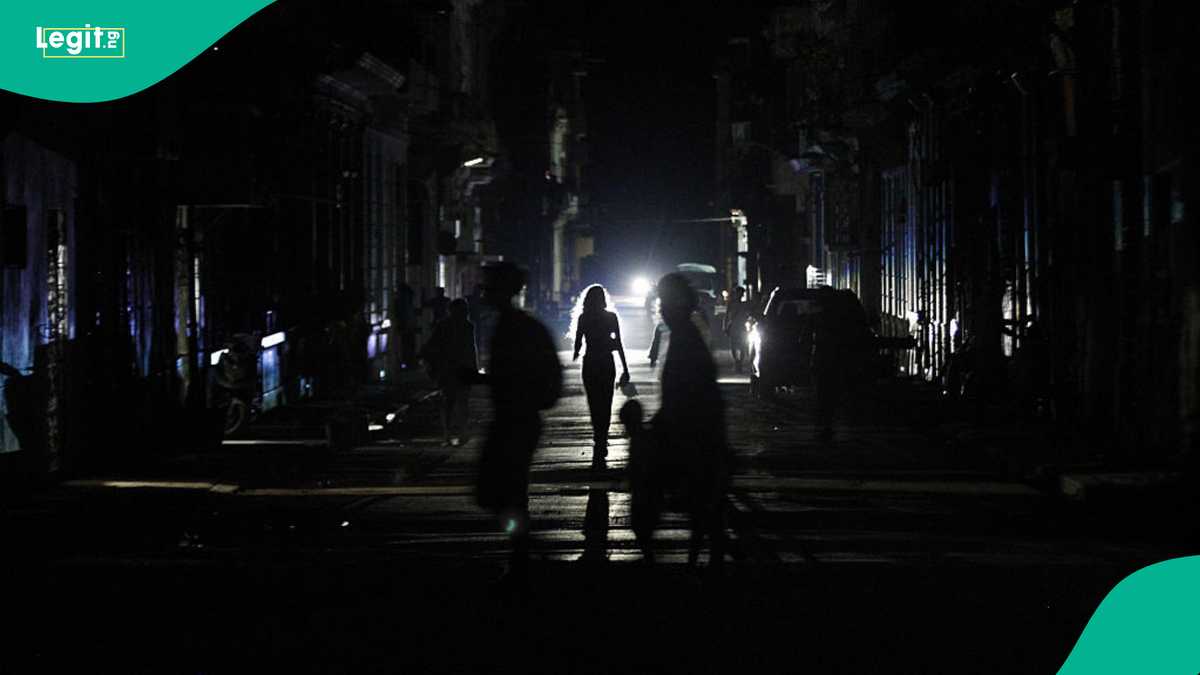

- Cuba’s state electricity utility confirmed the national grid collapsed on Sunday night, leaving the island of 10 million without power
- Sunday’s blackout is the first of August, following three nationwide outages in July linked to ongoing US fuel restrictions
- Cuba’s prime minister warned in July that the country’s path to economic recovery would be gradual and difficult
Cuba’s national electricity grid went dark again late on Sunday after the state-owned power utility announced the collapse on social media, triggering yet another island-wide blackout for the Caribbean nation’s 10 million residents.
The utility offered no further explanation beyond confirming the outage. Sunday’s failure is the first recorded blackout of August, coming on the heels of three separate nationwide power cuts in July.

Source: Getty Images
Fuel Shortages Behind Cuba’s Power Crisis
According to CNN, the repeated collapses are rooted in Cuba’s deepening fuel crisis. The country has struggled to secure energy imports since the United States captured Venezuelan President Nicolás Maduro in January 2026, cutting off Havana’s most reliable supply line. Mexico, another source of fuel for the island, has also stopped exports following US pressure.

The ageing Cuban energy infrastructure, already under strain, has been unable to absorb the supply shocks. For ordinary Cubans, the consequences have become a daily hardship. Many residents are forced to reorganise their routines entirely around the blackouts, waking in the early hours of the morning to cook meals, do laundry, access the internet, and cool down from the summer heat during whatever brief windows of electricity they can get.
Cuba Moves Towards Limited Economic Reforms
Under growing pressure, the Cuban government has begun loosening some long-standing restrictions on private and foreign enterprise. Prime Minister Manuel Marrero Cruz announced in July that authorities had approved the country’s first foreign investment arrangement to import and sell fuel. Nearly 200 businesses on the island also received permission to engage in wholesale fuel distribution, Reuters reported.
The country’s lawmakers have similarly cleared measures allowing private investment into the tourism sector, which has taken a heavy blow after major hotel chains pulled out in response to US sanctions and airlines reduced flights because of fuel shortages.

Government officials have acknowledged that these changes will not produce immediate relief. Speaking on Wednesday, Marrero said: “The results will be achieved gradually. Starting now, the most important, and perhaps the most difficult, stage begins.”
US threatens military action against Cuba
Legit.ng earlier reported that United States President Donald Trump and Secretary of State Marco Rubio have issued fresh threats of military action against Cuba. Speaking late on Thursday, May 21, 2026, Rubio described Cuba as a “national security threat” due to its ties with Russia and China.
Trump added that he may be the president to finally take action, saying he would be “happy” to do so. According to Al Jazeera, the Trump administration, with Cuban-American Rubio at the forefront, has intensified pressure on the communist-led island. Measures include a fuel blockade that has pushed the Cuban economy to the brink of collapse, new sanctions, and a military build-up in the Caribbean.
Source: Legit.ng