
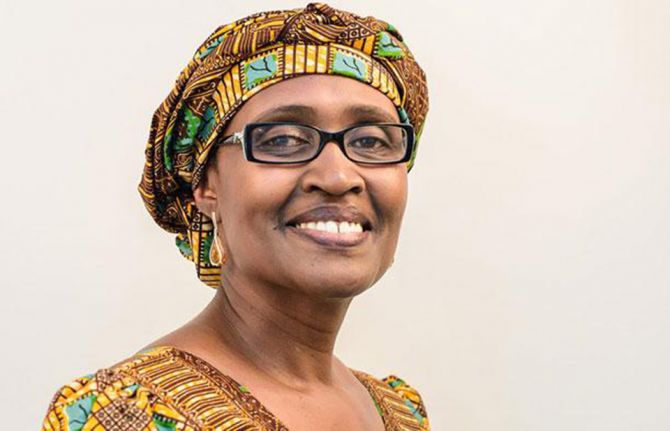


The Executive Director of the Joint United Nations Programme on HIV/AIDS (UNAIDS), Winnie Byanyima, has warned that the United States’ planned withdrawal of HIV/AIDS funding from South Africa could cost lives and undermine decades of progress in the fight against the disease.
Speaking ahead of a high-level United Nations meeting on HIV/AIDS, Ms Byanyima urged Washington to reconsider the decision and adopt a gradual transition plan to prevent disruptions to critical HIV services.
South Africa carries the world’s largest HIV burden, with about eight million people living with the virus. While the country funds most of its treatment programme, US support has remained crucial for prevention services, testing programmes and healthcare workers serving vulnerable communities.
Ms Byanyima said the funding cuts would have serious consequences for people who rely on these services.
“Taking it away is taking away life-saving support from the most vulnerable people,” she said.

Describing the move as “sad”, the UNAIDS chief warned that broader reductions in global aid funding were already affecting HIV prevention and treatment efforts in several countries.
She noted that the US President’s Emergency Plan for AIDS Relief (PEPFAR) contributes more than $400 million annually to South Africa’s HIV response, accounting for up to 17 per cent of the country’s HIV funding.
According to her, the programme has played a critical role in supporting testing, prevention and community-based healthcare services, particularly among populations at higher risk of infection.
Funding withdrawal
The warning comes days after the Trump administration announced plans to begin a phased withdrawal of HIV/AIDS funding to South Africa through PEPFAR.
US officials linked the decision to disagreements with Pretoria over a range of domestic and foreign policy issues, including South Africa’s land reform programme, Black Economic Empowerment policies and what Washington described as insufficient protection for the white Afrikaner minority.
The South African government has rejected those claims, maintaining that its policies are designed to address inequalities inherited from apartheid and are consistent with constitutional principles.
READ ALSO: UN commission alleges Israel has targeted Palestinian children since 2023
The funding dispute has raised concerns among public health experts because South Africa remains the epicentre of the global HIV epidemic. The country has more people living with HIV than any other nation and has relied on PEPFAR support for more than two decades to strengthen prevention programmes and health systems.
Although South African authorities have stressed that the procurement of antiretroviral medicines is largely financed through domestic resources, experts warn that cuts to prevention programmes, testing services and healthcare personnel could weaken the country’s broader HIV response and place vulnerable populations at greater risk.
UNAIDS has repeatedly cautioned that disruptions to HIV services could reverse hard-won gains in reducing new infections and AIDS-related deaths, particularly in countries with large treatment and prevention programmes.