

- The Federal Government started demolishing Carter Bridge in Lagos to make way for a new 1.93km structure costing N548.98bn
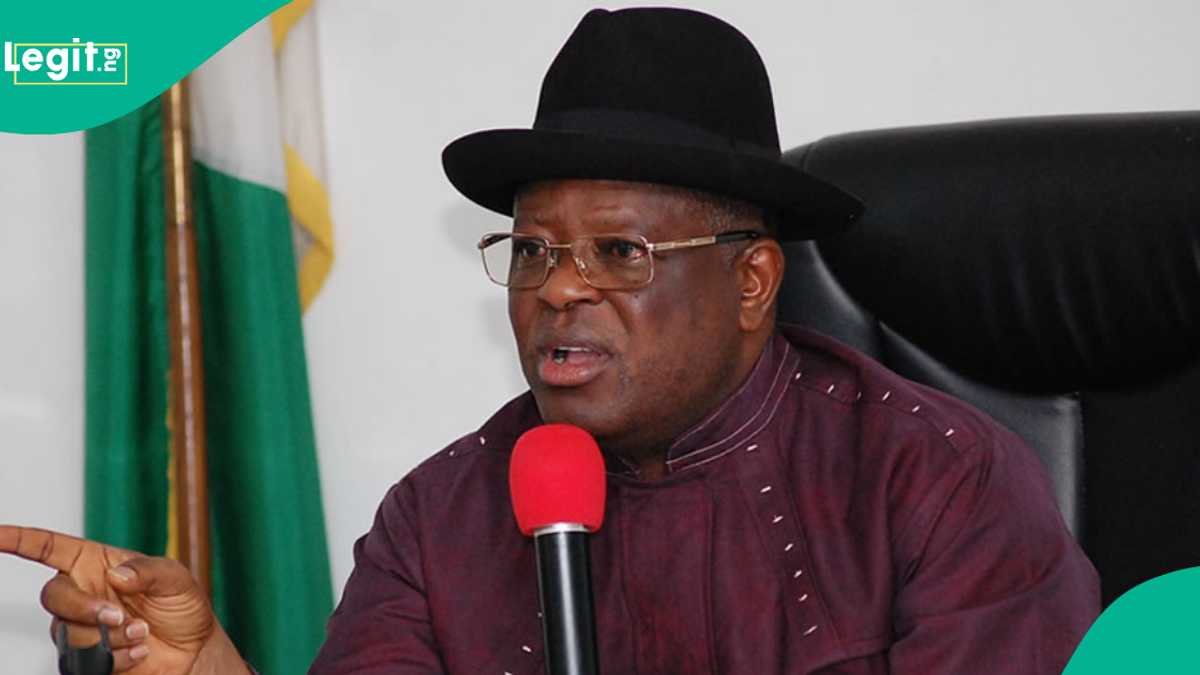
- Minister of Works David Umahi said three separate technical assessments found the bridge’s underwater foundations had deteriorated beyond repair
- The contract for the replacement bridge was awarded to China Civil Engineering Construction Corporation after a competitive bidding process
Nigeria’s Federal Government has begun tearing down the Carter Bridge in Lagos, clearing the path for a longer and more modern structure that will cost N548.98bn to build.
Minister of Works David Umahi said the demolition followed a series of engineering assessments carried out in 2013, 2019, and again under the current administration, all of which concluded that the bridge’s condition had gone past the point of repair.

Source: Getty Images
The underwater piles and pile caps had suffered severe deterioration, he said, making rebuilding the only viable option.
Why rehabilitation was ruled out

The Federal Government considered restoring the existing bridge before settling on full reconstruction.
Technical assessments showed that the submerged structural components had been badly damaged by decades of heavy traffic and exposure to the marine environment, making a new build safer and more sustainable than repairs.
The current Carter Bridge stretches about 1.525 kilometres and has served as a key link between Lagos Island and the mainland for decades.
The replacement will be longer, running approximately 1.93 kilometres, and will include a flyover ramp designed to ease a persistent traffic bottleneck in the area.
The new bridge will also feature two navigational waterways, each 105 metres wide, to accommodate marine traffic along that corridor.
Contract and cost breakdown
The Federal Executive Council approved N5.6bn for advanced engineering consultancy, design and costing before awarding the main reconstruction contract.
The full contract, valued at N548.98bn, went to China Civil Engineering Construction Corporation after a competitive bidding process that also involved Julius Berger, CCECC, CBC and China Harbour High Tech.

With demolition now under way, the Lagos Island-mainland corridor is expected to face traffic disruption as construction progresses.
The government said it would put traffic management measures in place to reduce the impact on motorists and commuters who depend on the route and surrounding roads.
The Federal Government described the project as part of a wider push to replace ageing infrastructure and fix structural weaknesses in critical transport links across the country. The improvement to traffic flow that the flyover ramp is expected to deliver remains contingent on timely completion of the new bridge.
Source: Legit.ng