
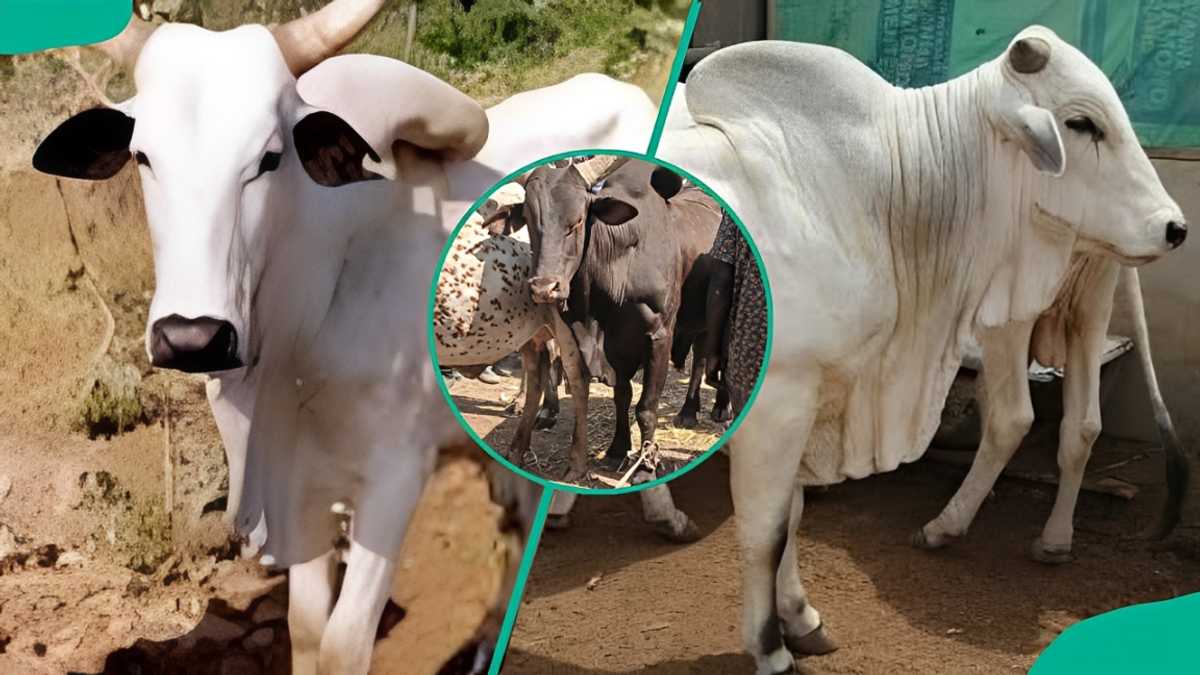

Cattle in Nigeria are an important source of meat, milk, income, and agricultural livelihood. Popular breeds such as White Fulani, Sokoto Gudali, Red Bororo, and Muturu are widely reared across the country because they adapt well to Nigeria’s climate. Choosing the right breed depends on whether you want high milk production, fast meat growth, disease resistance, or easy management.

Source: UGC
TABLE OF CONTENTS
Key takeaways
- White Fulani is the most common cattle breed in Nigeria because of its adaptability, moderate milk yield, and strong beef production potential.
- Indigenous breeds such as Muturu and N’Dama are highly valued for their resistance to tropical diseases and ability to survive in humid Nigerian climates.
- Exotic breeds like Friesian-Holstein, Jersey, Brown Swiss, and Ayrshire produce more milk but require better feeding, housing, and veterinary care.
- The best cattle breed depends on the farming goal, as some breeds are more suitable for milk production while others perform better for beef and commercial meat farming.

Which breeds of cattle in Nigeria are best for milk and beef?
Nigeria has several cattle breeds valued for milk, meat, and adaptability to different climates. They vary in size, productivity, disease resistance, and market value across the country. Understanding breeds of cattle and their characteristics can help you choose the right cows for dairy farming and beef production.
White Fulani (Bunaji)

Source: UGC
- Weight: Male (600 – 800 kg), Female (400 – 500 kg)
- Origin: Northern Nigeria and West Africa
- Purpose: Milk and beef production
The White Fulani, also called the Bunaji, is the most common cattle breed in Nigeria and makes up a large share of the national herd. The breed is recognised by its white or light grey coat, dark ears, and long horns.
It is one of the best cattle breeds in Nigeria because it performs reasonably well for both meat and milk production. The breed tolerates heat, long-distance trekking, drought, and common tropical diseases.

Red Bororo (Rahaji)

Source: UGC
- Weight: Male (350 – 500 kg), Female (250 – 300 kg)
- Origin: Northern Nigeria and the Sahel region
- Purpose: Mainly beef production
Red Bororo cattle are tall, reddish-brown animals known for their impressive, long horns and lean, muscular bodies. They are common across northern Nigeria and the wider Sahel region. The breed is mainly raised for beef rather than milk. Its meat is lean and highly preferred in many Nigerian cattle markets. Red Bororo is tolerant to heat, ticks, feed scarcity, and water shortages.
Sokoto Gudali (Bokoloji)

Source: UGC
- Weight: Male (650 – 900 kg), Female (450 – 600 kg)
- Origin: Northwestern Nigeria
- Purpose: Beef and moderate milk production
Sokoto Gudali is one of Nigeria’s largest local breeds of cattle and is recognised by its short horns, deep body, and heavy hump. The breed is mostly found in northwestern Nigeria. Farmers value it because of its excellent body size and stronger milk performance compared to many local breeds.

This breed is highly suitable for both milk and meat production. Research in Nigeria showed that Sokoto Gudali cattle recorded higher mature body weights and better lactation yield than White Fulani cattle in some studies.
Sokoto Gudali cattle cope well with Nigeria’s hot climate and extensive grazing systems. Their large size and good milk traits make them popular in dairy improvement projects.
Adamawa Gudali

Source: UGC
- Weight: Male (650 – 850 kg), Female (420 – 550 kg)
- Origin: Adamawa State, Nigeria
- Purpose: Meat and milk production
Adamawa Gudali is another Gudali-type breed found mainly in northeastern Nigeria and Cameroon. It resembles Sokoto Gudali but is often slightly taller and more muscular. The breed has a smooth coat, compact frame, and shorter horns than many zebu cattle.
The breed is mainly valued for beef production, though cows also provide moderate milk for pastoral households. Adamawa Gudali animals gain weight relatively well under grazing systems and are prized for their strong carcass development.
The breed performs well in the savannah climate of northern Nigeria because it withstands heat, seasonal feed shortages, and long grazing movements.

Muturu

Source: UGC
- Weight: Male (200 – 300 kg), Female (180 – 250 kg)
- Origin: Southern Nigeria and West Africa
- Purpose: Meat production and traditional uses
The Muturu breed of cattle is a small indigenous cattle breed mainly found in southern Nigeria. They are one of the oldest cattle breeds in West Africa and are much shorter than zebu breeds such as White Fulani.
The breed is mostly suitable for meat rather than dairy production. Although small in size, Muturu cattle are known for tasty beef and low feeding requirements. They are also culturally important in some traditional ceremonies in southeastern Nigeria.
Muturu cattle are unique because they show resistance to trypanosomiasis, a disease spread by tsetse flies in humid areas.
Keteku

Source: UGC
- Weight: Male (400 – 600 kg), Female (300 – 450 kg)
- Origin: Southwestern Nigeria
- Purpose: Dual-purpose (milk and meat)
Keteku cattle are a crossbreed developed from White Fulani and N’Dama cattle. The breed combines the larger body size of zebu cattle with the disease resistance of humpless West African breeds. Keteku cattle are mainly found in southwestern Nigeria.

The breed is suitable for both meat and milk production on a moderate scale. Farmers appreciate Keteku cattle because they are easier to manage in humid regions than many northern zebu breeds. Keteku cattle tolerate heat, high humidity, and tsetse fly infestation better than several other breeds.
N’Dama

Source: UGC
- Weight: Male (250 – 400 kg), Female (200 – 350 kg)
- Origin: West Africa
- Purpose: Meat, milk, and draught work
The N’Dama cattle breed is a small humpless cattle originally associated with West Africa’s humid zones. They are compact, hardy animals with short horns and calm temperaments. The breed is more suitable for meat than commercial dairy production because milk yield is relatively low.
N’Dama cattle are famous for their strong resistance to trypanosomiasis and humid tropical diseases. Their adaptability makes them suitable for southern Nigeria.
Kuri

Source: UGC
- Weight: Male (600 – 800 kg), Female (400 – 550 kg)
- Origin: Lake Chad region
- Purpose: Milk and meat production
Kuri cattle are famous for their large bulb-like horns and are mostly found around the Lake Chad region in northeastern Nigeria. They are among the most visually unique cattle breeds in Africa.
The breed is mainly used for meat production, although pastoralists also use the milk locally. Kuri cattle thrive in marshy and semi-arid environments near Lake Chad. Their rare appearance and large size make them valuable animals.

Friesian-Holstein

Source: UGC
- Weight: Male (700 – 1,100 kg), Female (550 – 700 kg)
- Origin: Netherlands
- Purpose: High milk production
Friesian-Holstein cattle are among the world’s highest milk-producing dairy breeds. They are large black-and-white cattle originally developed in Europe and now used in commercial dairy farms in Nigeria.
The breed is highly suitable for milk production and can produce far more milk than indigenous Nigerian breeds under proper feeding and management. They are not primarily raised for beef. Friesian-Holstein cattle require better feeding, veterinary care, and cooler conditions than local breeds.
Jersey cattle

Source: UGC
- Weight: Male (540 – 820 kg), Female (360 – 500 kg)
- Origin: Jersey Island, United Kingdom
- Purpose: Dairy production
Jersey cattle are smaller dairy cows known for producing rich milk with high butterfat content. They usually have light brown coats and calm temperaments. The breed is excellent for milk production, especially butter, yoghurt, and cheese processing.

Compared to Friesians, Jerseys consume less feed, making them more economical for some dairy farmers. They adapt better to heat than several European dairy breeds, making them more suitable for tropical climates when properly managed.
Simmental

Source: UGC
- Weight: Male (850 – 1,200 kg), Female (550 – 800 kg)
- Origin: Switzerland
- Purpose: Beef and dairy production
Simmental cattle are large dual-purpose cattle originally developed in Switzerland. They are recognised for rapid growth, muscular bodies, and good milk performance. The bulls are widely used in beef improvement programmes because of their fast weight gain and heavy carcass yield.
The breed can adapt to Nigeria when crossed with local breeds and managed under ranch conditions. Their size and productivity make them expensive.
Brahman

Source: UGC
- Weight: Male (700 – 1,000 kg), Female (450 – 600 kg)
- Origin: United States, developed from Indian breeds
- Purpose: Beef production
Brahman cattle are large zebu cattle originally developed in the United States from Indian cattle breeds. They are recognised by their loose skin, large hump, and long ears.
The breed is mainly suitable for beef production, though cows can provide moderate milk. Their heat tolerance, insect resistance, and ability to survive under difficult grazing conditions make them suitable for northern Nigeria.

Ayrshire

Source: UGC
- Weight: Male (600 – 900 kg), Female (450 – 600 kg)
- Origin: Scotland
- Purpose: Dairy production
Ayrshire cattle are medium-sized dairy cows originally from Scotland. They are red and white in colour and are known for producing high-quality milk with good protein content. The breed is an active grazer and is considered easier to maintain than some larger dairy breeds. Ayrshire cattle can adapt to tropical climates if given proper nutrition and health care.
Brown Swiss

Source: UGC
- Weight: Male (800 – 1,200 kg), Female (500 – 700 kg)
- Origin: Switzerland
- Purpose: Milk and beef production
Brown Swiss cattle are large dairy cattle recognised by their brown coats and strong legs. They are among the oldest dairy breeds in the world and are famous for longevity.
The breed is highly suitable for milk production, especially for cheese products, because of its high-protein milk. Brown Swiss cattle adapt fairly well to warm climates and can perform well on commercial dairy farms in Nigeria with proper management.

What are the best dairy cattle breeds in Nigeria?
Among local breeds, Sokoto Gudali is considered one of the better milk producers. However, exotic breeds such as Friesian-Holstein and Jersey cattle produce much higher milk yields under proper feeding and management systems.
What are the top beef cattle breeds?
Red Bororo, White Fulani, Brahman, and Simmental cattle are highly valued for beef production because of their large body size, fast growth, and good carcass quality.
Which cattle breed is the most common in Nigeria?
The White Fulani is the most common cattle breed in Nigeria. It is widely reared because it adapts well to different climates and can be used for both meat and milk production.
What is the average cost of a cow in Nigeria?
The price of cattle in Nigeria varies depending on breed, size, age, and season. Local breeds may cost between ₦150,000 and ₦1,000,000, while imported or exotic dairy breeds can cost over ₦1 million.

Are exotic cattle breeds suitable for Nigeria?
They are generally suitable for Nigeria. However, breeds such as Friesian-Holstein, Jersey, Brown Swiss, and Ayrshire require intensive feeding, veterinary care, and better housing. Many Nigerian farmers crossbreed them with local cattle to improve adaptability.
What factors should farmers consider before buying cattle?
Farmers should consider climate, feed availability, disease resistance, farming purpose, veterinary care, water supply, and market demand before choosing a cattle breed.
Which Nigerian cattle breed is best for dual-purpose farming?
The White Fulani and Sokoto Gudali are among the best dual-purpose breeds because they provide both decent milk yield and good meat production.
Breeds of cattle in Nigeria vary widely in size, productivity, and adaptability to local climates. Indigenous breeds such as White Fulani, Sokoto Gudali, and Muturu remain important for meat, milk, and disease resistance. Exotic breeds also offer high dairy potential, but they require better management and feeding systems.

Legit.ng recently published a compilation of the best career opportunities in agriculture in Nigeria. Some of the top career opportunities in agriculture in Nigeria include agribusiness management, food science, agricultural engineering, and agronomy.
Students interested in these fields can pursue relevant agricultural courses at various universities, polytechnics, and colleges of education in Nigeria. Read on to explore the available agricultural career opportunities and the courses that can help you build a successful career in the sector.
Proofreading by Kola Muhammed, copy editor at Legit.ng.
Source: Legit.ng