
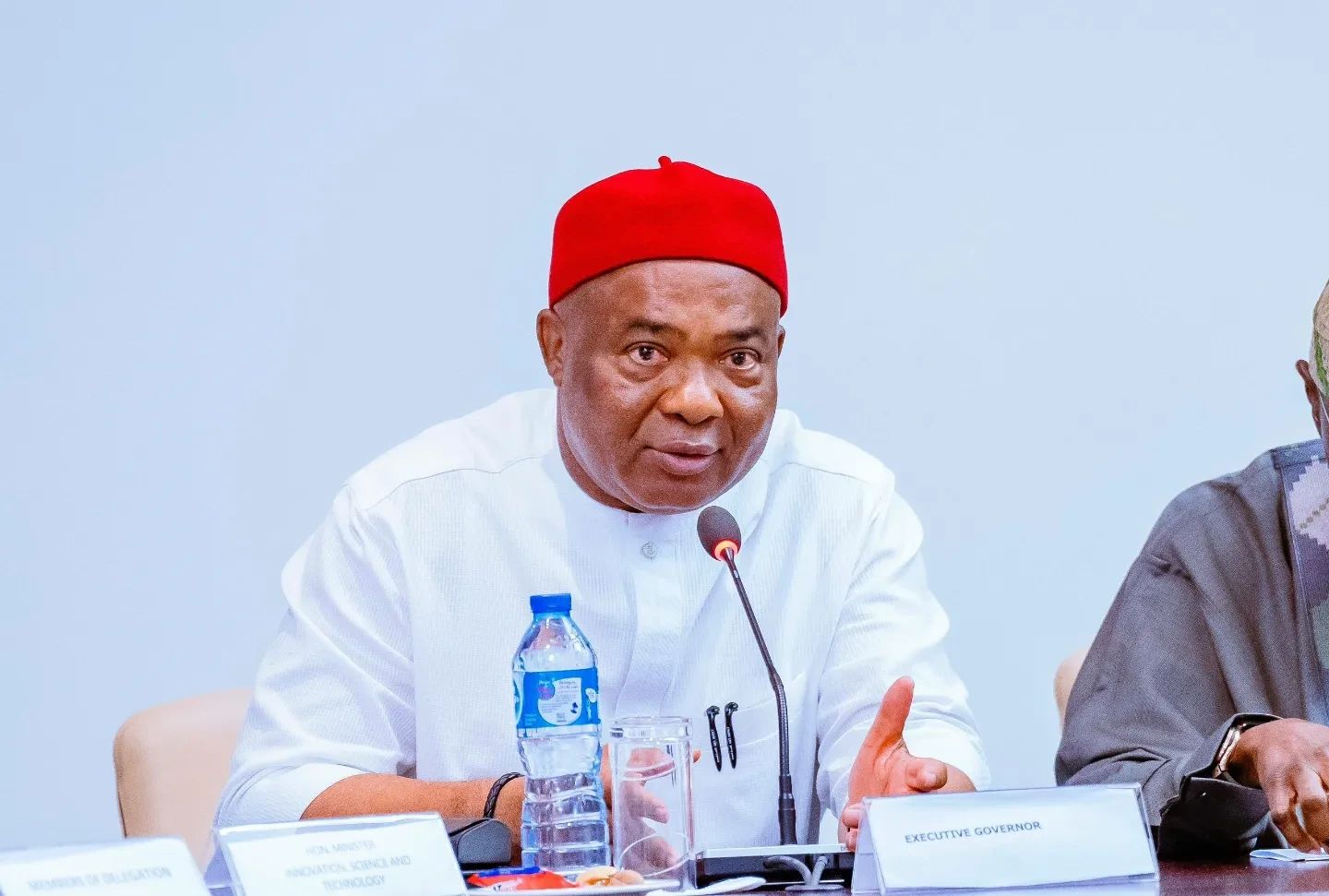

The rumour that Imo State Governor Hope Uzodimma is scheming to seize the Senate Presidency is not harmless politicking. It is a brazen provocation that tears open a historical wound between the South‑East and the South‑South — a wound that traces back to the ugly political betrayal of 1953. For the Niger Delta, this is not nostalgia; it is a living grievance that every new act of marginalisation only deepens.
We must be blunt. The collapse of Professor Eyo Ita’s government in 1953 — engineered, many in the Niger Delta insist, by a resentful and opportunistic Eastern elite after Nnamdi Azikiwe failed to clinch power in the West — is remembered as the first calculated dislodgement of South‑South influence.
What the region calls the “original sin” was not mere political realignment; it was the deliberate sidelining of a minority leader who had built a functioning administration. That episode established a pattern: majority advantage weaponised to dispossess a smaller region of its rightful voice.
Fast forward to today. The South‑South’s patience has limits. During the Fourth Republic, when the Senate Presidency went to the South‑East — and South‑South senators refrained from contesting — that restraint was an act of political good faith. It was not a licence for entitlement or a blank cheque for power grabs.
Yet reports now suggest a serving South‑East governor is prepared to abandon his office and trample convention to chase the Red Chamber. That is not ambition; it is audacity dressed up as legitimacy.

Make no mistake: this is about respect for regional equity, not personal ambition. The South‑South has shown restraint and loyalty, ceding opportunities in the spirit of unity. If that deference is met with another round of manoeuvring — if the region’s turn is seized rather than honoured — it will be read as proof that the South‑East has learned nothing from history and remains willing to sacrifice its closest ally for short‑term gain.
Apologies and performative reconciliations — like recent statements from Aladinma — are meaningless if the same pattern repeats. Political theatre cannot erase a history of marginalisation.
The South‑South will not be steamrolled by talk of “Southern unity” while its legitimate claims are dismissed by the very people who expect deference when it suits them. Equally worrying is that those who are supposed to advise this overambitious governor of Imo State to rethink are either mute or ignorant of the fact that the marginalisation of the South‑South by some South‑East actors is re-emerging in the person of Hope Uzodimma.
This piece is not aimed at blocking his Senate ambition per se; it insists that the Senate Presidency is off‑limits to a South‑East candidate on this rotation.
This is also a strategic risk for southern solidarity. Repeated breaches of convention will fracture whatever fragile bloc the South imagines it can build. If Uzodimma and his backers push this bid through in spite of clear regional expectation, they will not simply be fighting for a Senate seat; they will be validating the narrative that the South‑East prioritises narrow advantage over collective trust.
The message must be unapologetic and plain: regional rotation and zoning are not optional niceties. They are the scaffolding of national balance. Those who treat them as obstacles to be circumvented are not statesmen; they are spoilers.
If the South‑East wants respect, it must first show respect. Until that happens, the ghost of Eyo Ita — a symbol of a betrayal that reshaped the Niger Delta’s political memory — will stand between the South‑East and the South‑South, a permanent reminder that brotherhood can be betrayed.