
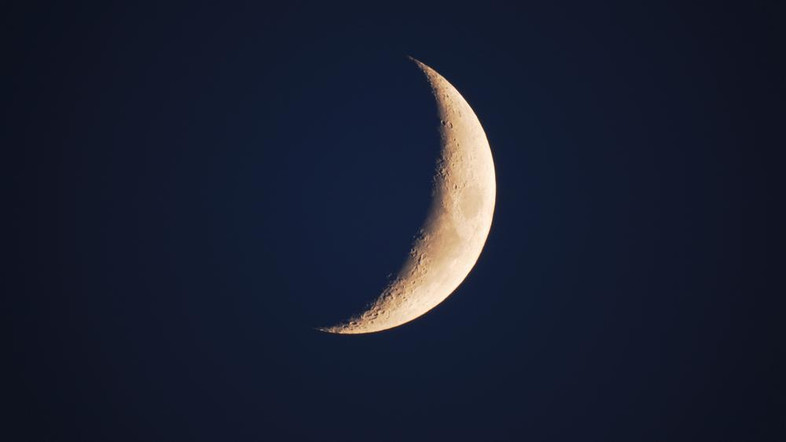

The Supreme Court of Saudi Arabia has officially confirmed the sighting of the Dhul-Hijjah crescent moon, marking Monday, 18 May, as the 1st of Dhul-Hijjah 1447 in the Islamic calendar, as reported by Khaleejtimes on Sunday.
The announcement ushers in one of the most significant months in Islam, during which millions of Muslims around the world prepare for the annual Hajj pilgrimage and the celebration of Eid al-Adha.
Key Islamic dates confirmed
Following the Saudi announcement, the key dates for the period have been set as follows:
1st of Dhul-Hijjah: Monday, 18 May
Day of Arafah (9th Dhul-Hijjah): Tuesday, 26 May 26
Eid al-Adha (10th Dhul-Hijjah): Wednesday, 27 May
These dates guide the timing of Hajj rites in Makkah and the global observance of Eid al-Adha.

Significance of Dhul-Hijjah
Dhul-Hijjah is regarded as one of the holiest months in Islam, marked by heightened devotion, fasting, charity, and pilgrimage.
The month culminates in the Hajj pilgrimage in the holy city of Makkah, one of the five pillars of Islam and a major spiritual obligation for Muslims who are physically and financially able.
ALSO READ: Eid and Friday Sermon: Eid Al-Adha celebrations and what to do if coincides with jumu’ah (Friday Prayer), By Murtadha Gusau
The 9th day of Dhul-Hijjah, known as the Day of Arafah, is considered the most spiritually significant day of the pilgrimage, marked by prayers and supplications on the plains of Arafat.
It is followed by Eid al-Adha, also known as the Festival of Sacrifice, which commemorates Prophet Ibrahim’s devotion and willingness to obey divine command, symbolised through ritual animal sacrifice and acts of charity.