
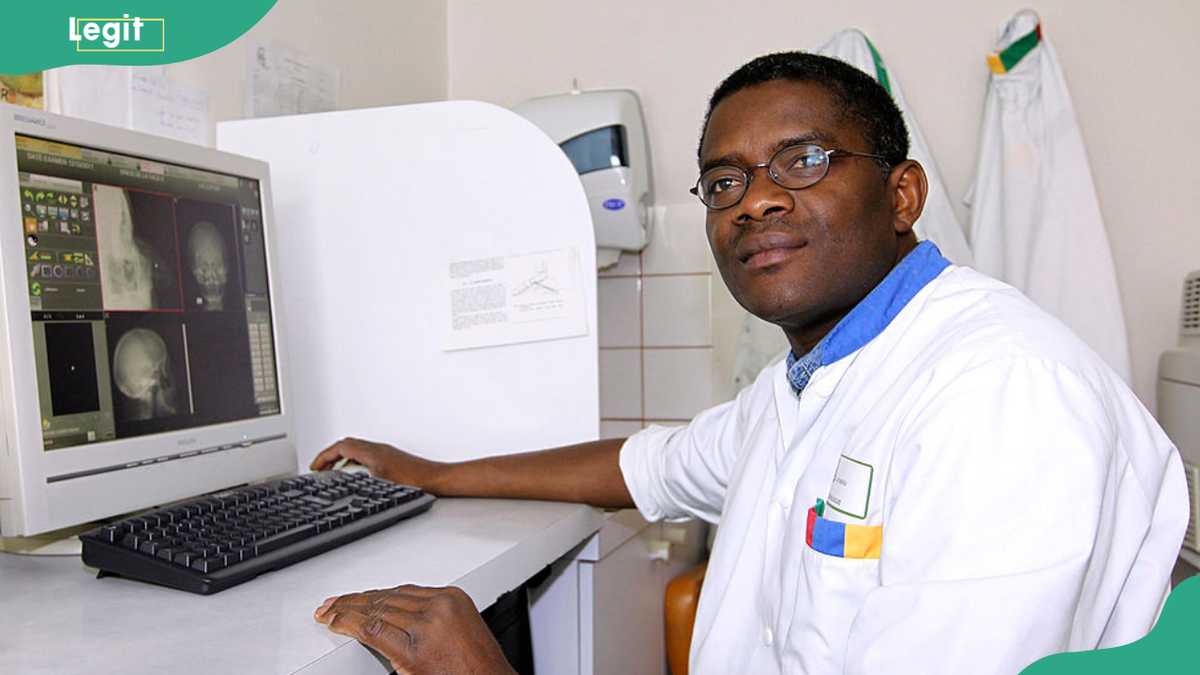

Radiography salaries in Nigeria range from about ₦100,000 to more than ₦2.5 million per month, depending on experience, qualification, specialisation, and workplace. Entry-level radiographers and interns earn significantly less than senior specialists and consultants. Radiography is a promising healthcare career for those interested in medical imaging and diagnostic services.

Source: Getty Images
TABLE OF CONTENTS
Key takeaways
- Entry-level radiographers, including interns and early-career practitioners in standard clinics or public hospitals, typically earn between ₦100,000 and ₦200,000 per month.
- Radiographers with a few years of experience generally earn ₦250,000 to ₦600,000 per month, depending on the healthcare facility.
- Consultant radiographers and other senior specialists earn from ₦1 million to more than ₦2.5 million per month at leading private and international healthcare facilities.
- Radiography applicants must have ‘O’ level credits in English, Mathematics, Physics, Chemistry, and Biology to apply through UTME or Direct Entry.
- After completing a five-year radiography degree, graduates must finish a one-year internship and register with the Radiographers Registration Board of Nigeria (RRBN).

Radiography salary in Nigeria
Radiography is a vital and evolving healthcare field, with salaries varying based on experience, employment sector, specialisation, and facility type. Below is a breakdown of what medical imaging professionals can expect to earn at different career stages based on insights from industry reports and salary data providers like PayScale and GrabJobs.
According to PayScale, the average annual salary of a radiographer in Nigeria is ₦1,008,413 in 2026.
Entry-level radiography salary in Nigeria
Entry-level radiographers complete clinical internships, prepare patients for imaging procedures, operate basic X-ray equipment, and assist senior professionals. Their salaries reflect foundational skills and mark the start of career progression.
|
Experience level |
Common job titles |
Monthly salary range |
|
(0–2 years) |
– Clinical Intern Radiographer – Junior Diagnostic Radiographer – X-Ray Technician – Trainee Medical Imaging Assistant |
₦100,000–₦200,000 |
Mid-level radiography salary in Nigeria
Mid-level radiographers perform advanced imaging procedures, maintain imaging equipment, ensure patient safety, and supervise interns or junior staff. They also work closely with physicians to support accurate diagnosis and treatment.

|
Experience level |
Common job titles |
Monthly salary range |
|
(2–5 years) |
– Diagnostic Radiographer – General Radiographer – Senior X-Ray Technologist – Clinical Imaging Specialist |
₦250,000–₦600,000 |
Senior-level radiography salary in Nigeria
Senior radiographers specialise in advanced imaging, manage radiology departments, oversee quality standards, and lead clinical teams. Those employed by top private hospitals, international diagnostic centres, and specialised healthcare facilities often earn well above the average salary range.
|
Experience level |
Common job titles |
Monthly salary range |
|
(5–10+ years) |
– Principal Radiographer – Consultant Radiographer – MRI/CT Specialist Radiographer – Head of Radiology Department |
₦1,000,000–₦2,500,000+ |
How to become a radiographer in Nigeria: From high school to specialisation
To become a radiographer in Nigeria, you must meet the required secondary school qualifications, earn a university degree, complete professional training, and obtain a practising licence. Below is a breakdown of the key requirements and stages involved in pursuing the profession.
1. Meet the O-Level requirements
To study radiography in Nigeria, candidates must obtain at least five credit passes in WAEC, NECO, or GCE in no more than two sittings. The required subjects are English Language, Mathematics, Physics, Chemistry, and Biology. These qualifications provide the scientific foundation for admission into a radiography programme.

2. Earn a bachelor’s degree in radiography
Candidates must gain admission into an accredited Nigerian university offering a Bachelor of Medical Radiography (B.Rad. or B.Sc. Radiography), a programme that typically lasts five years. UTME applicants must sit for English Language, Physics, Chemistry, and Biology.

Source: Getty Images
Candidates with A-Level qualifications, an approved diploma from a School of Health Technology, or a relevant science degree may apply through Direct Entry, which usually takes four years.
Some Nigerian universities offering radiography include:
- University of Nigeria, Nsukka (UNN)
- University of Lagos (UNILAG)
- University of Calabar (UNICAL)
- University of Maiduguri (UNIMAID)
- Niger Delta University (NDU)
- Nnamdi Azikiwe University (UNIZIK)
- Bayero University Kano (BUK)
- University of Benin (UNIBEN)
- Ahmadu Bello University (ABU)
- Lagos State University (LASU)
3. Complete your internship and obtain a licence
After graduation, aspiring radiographers must register with the Radiographers Registration Board of Nigeria (RRBN) as intern radiographers. They then complete a one-year clinical internship at an RRBN-accredited hospital or medical centre to gain hands-on experience in diagnostic imaging and patient care.


Source: Getty Images
After completing the internship, graduates receive full RRBN registration and an annual practising licence.
4. Specialise in an area of radiography
After obtaining full registration, radiographers can practise as general imaging professionals or specialise through postgraduate training and professional certifications in areas such as:
- Computed Tomography (CT)
- Magnetic Resonance Imaging (MRI)
- Medical Ultrasound
- Mammography
- Therapeutic Radiography and Oncology
- Radiation Protection and Dosimetry
Specialising can enhance career prospects, create more job opportunities, and increase earning potential in both public and private healthcare institutions.

Source: Getty Images
Radiography vs nursing salary in Nigeria: Which pays more?
Radiography and nursing are two of Nigeria’s most in-demand healthcare professions, but their salaries vary based on experience, qualifications, employer, and specialisation. Although nurses have broader employment opportunities, radiographers often earn more in specialised imaging roles, especially in private hospitals and diagnostic centres.
|
Career level |
Radiography salary |
Nursing salary |
|
Entry level (0–2 years) |
₦100,000–₦200,000 |
₦80,000–₦200,000 |
|
Mid-level (2–5 years) |
₦250,000–₦600,000 |
₦180,000–₦500,000 |
|
Senior level (5–10+ years) |
₦1,000,000–₦2,500,000+ |
₦500,000–₦2,000,000+ |

Pharmacy vs radiography salary
Pharmacy and radiography are well-established healthcare professions in Nigeria, with salaries varying by experience, employer, and sector. Pharmacists work across hospitals, community pharmacies, and the pharmaceutical industry, while radiographers often earn competitive salaries for their specialised imaging skills.
|
Career level |
Radiography salary |
Pharmacy salary |
|
Entry level (0–2 years) |
₦100,000–₦200,000 |
₦120,000–₦250,000 |
|
Mid-level (2–5 years) |
₦250,000–₦600,000 |
₦300,000–₦700,000 |
|
Senior level (5–10+ years) |
₦1,000,000–₦2,500,000+ |
₦800,000–₦2,200,000+ |
Does radiography pay well in Nigeria?
Radiography pays well in Nigeria, with salaries increasing significantly as professionals gain experience and specialise, particularly in private healthcare facilities.
What is the radiography salary in Nigeria per month?
In Nigeria, radiographers earn about ₦100,000 to ₦200,000 per month in entry-level roles, ₦250,000 to ₦600,000 in mid-level positions, and ₦1 million to ₦2.5 million or more as senior specialists and consultants in leading private healthcare facilities.
What is the highest-paying job in radiography?
The highest-paying positions include consultant radiographers, department heads, and MRI or CT specialists, particularly those working in leading private hospitals and multinational diagnostic centres.


Source: Getty Images
Is radiography better than nursing in Nigeria?
Neither is necessarily better, as both radiography and nursing offer unique advantages. Nursing provides more employment opportunities and global career options, while radiography can offer higher salaries in specialised diagnostic imaging roles.
Is radiography a good course in Nigeria?
Radiography is a rewarding course to study in Nigeria, offering strong career prospects, demand in diagnostic healthcare, and opportunities for local and international employment.
How many years is radiography in Nigeria?
A Medical Radiography degree in Nigeria typically takes five years for UTME candidates and four years for Direct Entry applicants with relevant qualifications. Graduates must also complete a one-year clinical internship before becoming fully licensed.

Source: Getty Images
What is the radiography salary abroad?
Radiography offers strong earning potential abroad, with annual salaries often ranging from $60,000 to more than $100,000 in countries such as the UK, US, Canada, and Saudi Arabia.

Radiography salary in Nigeria reflects a rewarding and stable career, supported by growing demand for skilled medical imaging professionals. As healthcare services expand across the public and private sectors, radiographers continue to enjoy strong career prospects and competitive earnings.
DISCLAIMER: This article is not sponsored by any third party. It is intended for general informational purposes only and does not address individual circumstances. It is not a substitute for professional advice or help and should not be relied on to make decisions of any kind. Any action you take upon the information presented in this article is strictly at your own risk and responsibility!
Legit.ng published an interesting article on computer engineering salary in Nigeria from entry-level to expert. Computer engineers in Nigeria earn an average annual salary of ₦3.25 million, with salaries ranging from ₦1.7 million to ₦5.1 million.
Computer engineering is a fast-growing and rewarding profession in Nigeria, with professionals earning competitive salaries. Salaries vary by location and employer, with Lagos and large private firms generally offering higher pay.
Proofreading by Kola Muhammed, copy editor at Legit.ng.
Source: Legit.ng