
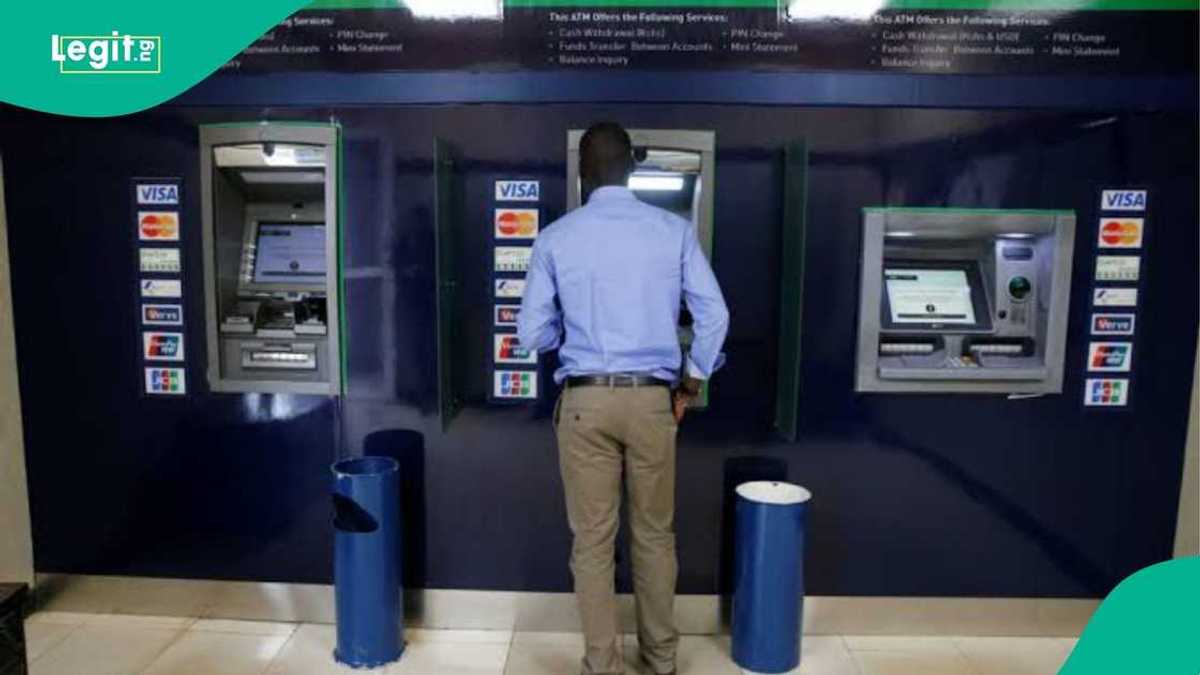

- Nigerian banks activated incident response protocols after a sophisticated global cyber campaign hit organisations across multiple countries and industries
- Industry sources said the attacks targeted more than 35 organisations worldwide and were not specifically aimed at Nigeria or its banking sector
- Banks are urging customers to stay alert and avoid sharing sensitive details such as PINs, OTPs and BVNs through calls or unsolicited messages
Legit.ng journalist Dave Ibemere has over a decade of experience in business journalism, with in-depth knowledge of the Nigerian economy, stocks, and general market trends.
Nigerian banks have told customers that their deposits and digital banking services are safe after a global cyber campaign struck organisations across several countries and sectors.
The sources said lenders moved quickly to activate incident response protocols and worked alongside regulators, law enforcement agencies and international cybersecurity partners to shore up their defences.

Photo: Bloomberg
Source: Facebook
The Sun reports that they confirmed the attacks formed part of a broader worldwide campaign and were not aimed specifically at Nigeria or its financial institutions.

Scale of the Global Cyber Campaign
The campaign has hit organisations in telecommunications, healthcare, government, energy, technology and corporate registries across Europe, Asia, the Americas and Africa.
Industry sources, citing data from cybersecurity firm Check Point, said cyber-attacks on the global financial sector rose by 115% last year, with financial institutions facing thousands of attempted intrusions every week.
The current campaign has been linked to threat actors who targeted more than 35 organisations across multiple countries and industries.
Despite the wave of attacks, Nigerian banks said all services continued to run without disruption.
The sources said:
“The nation’s financial system remains strong, resilient and secure. the system is safe, deposits are secure, and the institutions entrusted with the nation’s savings remain watchful and prepared.”
Adding that lenders had invested heavily in cybersecurity infrastructure over the years to protect customer data, digital platforms and financial assets.
The sources acknowledged that no organisation could guarantee complete immunity from cyber-attacks, but said the industry’s strength lay in how quickly and effectively it could respond.


Photo: AFP
Source: UGC
What Bank Customers Should Do
The banking industry has called on customers to stay vigilant, warning that fraudsters may try to take advantage of fears around the current cyber threats.
Banks advised customers not to share sensitive information such as passwords, Personal Identification Numbers (PINs), One-Time Passwords (OTPs), card details or Bank Verification Numbers (BVNs) over the phone or through unsolicited messages. Customers were also told to avoid opening suspicious emails, clicking on unfamiliar links or downloading attachments from unknown senders.
Anyone who notices unusual activity on their account should report it immediately through official customer care channels, mobile apps, websites or branch offices, the banks said.
Zenith Bank confirms cyberattack
Earlier, Lgit.ng reported that Zenith Bank has confirmed that hackers gained unauthorised access to part of its database, exposing limited customer information in a cyberattack that is part of a wider global campaign targeting organisations across multiple industries.

The lender, however, reassured customers that their money remains safe, stressing that its banking systems, digital channels and financial services have not been compromised.
In an email sent to customers on Tuesday, August 4, 2026, Zenith Bank disclosed that the attackers were able to access a limited amount of customer information, including email addresses and phone numbers.
Source: Legit.ng