
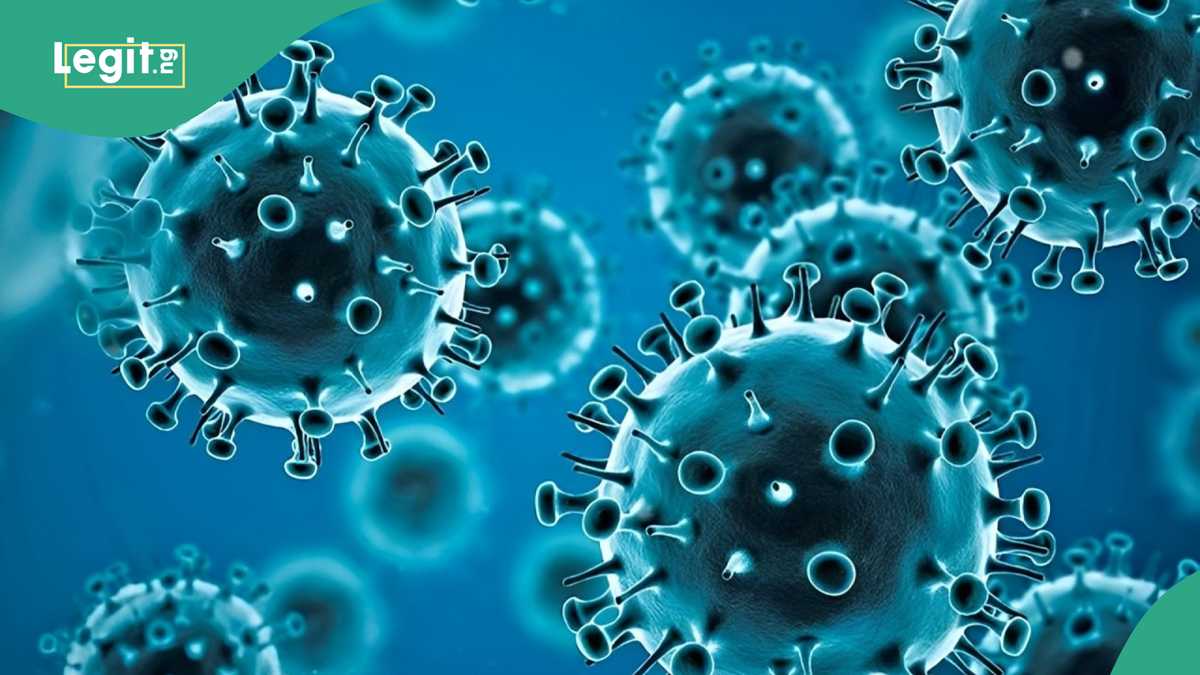

- The Nigeria Centre for Disease Control and Prevention (NCDC) confirmed that no case of Hantavirus had been recorded in Nigeria despite global concerns over recent outbreaks
- The NCDC explained that Hantavirus spread mainly through contact with infected rodents, contaminated dust, urine, saliva and droppings
- The NCDC advised Nigerians to maintain clean environments, prevent rodent infestation and practise regular hand hygiene to avoid possible infection
FCT, Abuja – The Nigeria Centre for Disease Control and Prevention (NCDC) has issued a public health advisory following reports of a Hantavirus cluster linked to international cruise ship travel across several countries.
The agency, however, clarified that no confirmed case of Hantavirus has been recorded in Nigeria and assured citizens that the current risk level remains low.

Source: Getty Images
“At this time, there is NO confirmed case of Hantavirus in Nigeria, and the overall risk to the public remains low,” the NCDC stated.
NCDC explains how virus spreads

According to the public health agency, Hantaviruses are mainly transmitted through rodents and exposure to contaminated environments.
The NCDC explained that humans can contract the virus through contact with infected rodents, their saliva, urine, droppings or contaminated dust particles.
“Hantaviruses are viruses mainly carried by rodents. Humans can become infected through contact with infected rodents, their urine, droppings, saliva, or contaminated dust,” the advisory noted.
Symptoms associated with Hantavirus
The disease control agency warned Nigerians to remain alert for symptoms associated with the virus, especially after exposure to unhygienic environments or rodents.
The NCDC listed fever, fatigue, headaches, body pain and stomach-related complications among the common symptoms linked to the infection.
The agency also noted that severe cases could result in breathing difficulties.
7 preventive measures highlighted
As part of efforts to prevent possible infections, the NCDC advised Nigerians to observe proper hygiene and environmental safety measures.
- The agency urged citizens to:
- Keep their surroundings clean
- Prevent rodent infestation
- Store food properly
- Dispose of waste safely
- Avoid contact with rodents and their droppings
- Practise regular hand hygiene
- Rely on verified public health information

The advisory stressed the importance of maintaining clean environments to reduce the risk of rodent-borne diseases.
NCDC says surveillance ongoing
The agency further disclosed that it was closely monitoring the global situation and strengthening disease surveillance mechanisms across the country.
“The NCDC is actively monitoring the situation and strengthening surveillance for emerging infectious diseases,” the statement added.
The agency also cautioned Nigerians against spreading false information and encouraged the public to depend only on updates from recognised health authorities.
WHO speaks on hantavirus
The World Health Organisation (WHO) has confirmed that eight people have so far been affected in the ongoing hantavirus outbreak, with three deaths already recorded. According to the organisation, five of the reported cases have been laboratory-confirmed as hantavirus infections, while the remaining three are still considered suspected cases.
Despite the seriousness of the outbreak, the WHO said the overall public health risk currently remains low. The organisation noted that the situation demonstrates the importance of the International Health Regulations and the need for coordinated international response efforts.
Source: Legit.ng