
- Lagos state plans to abolish electricity tariff bands amid warnings of blackouts and market instability
- Distribution companies argue that scrapping the band system risks chaos without ensuring improved electricity generation
- Officials remain hopeful for an uninterrupted power supply, urging stakeholders to enhance Lagos’ electricity reliability
Pascal Oparada is a journalist with Legit.ng, covering technology, energy, stocks, investment, and the economy for over a decade.
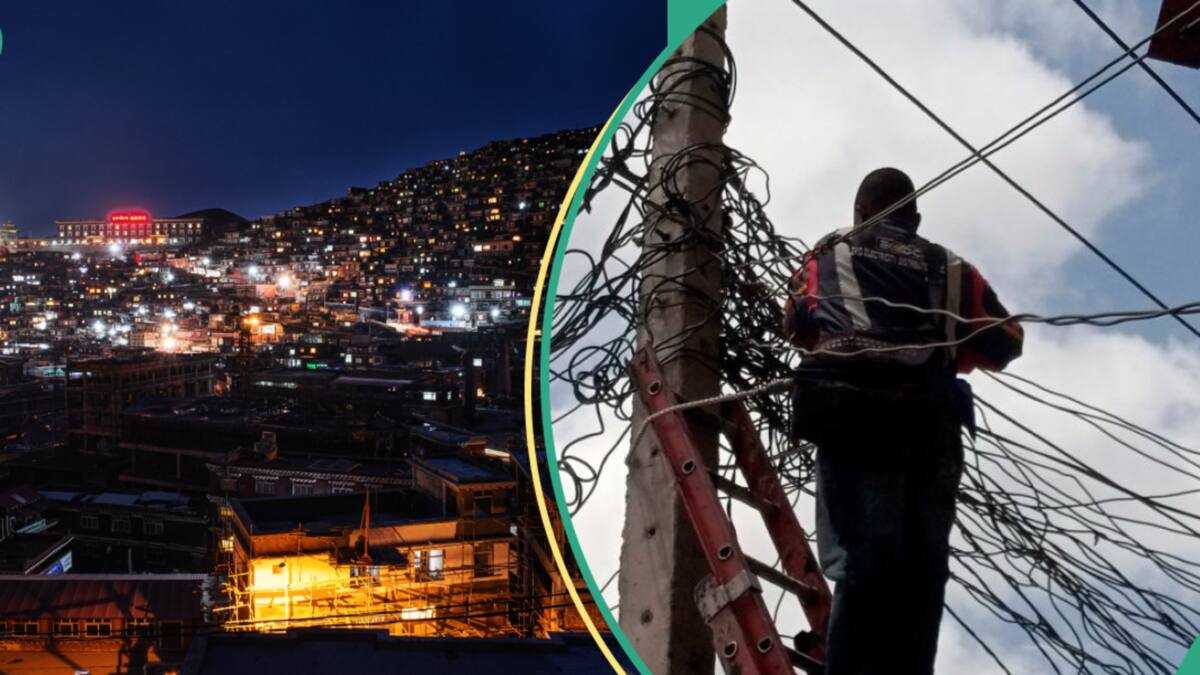
The Lagos State Government’s ambitious plan to abolish electricity tariff band classifications has sparked fresh tension in Nigeria’s power sector, with electricity distribution companies warning that the move could trigger blackouts, customer protests, and market instability if rushed.
Officials from major power distribution firms, including Eko Electricity Distribution Company and Ikeja Electric, said the proposal may sound attractive to consumers but could create serious operational and financial challenges without adequate electricity supply across the state.

Credit: Novatis
Source: Getty Images
The concerns followed remarks by the Lagos State Commissioner for Energy and Mineral Resources, Biodun Ogunleye, who declared that the state was working towards eliminating customer band classifications and achieving a stable electricity supply for all residents.

Why was band classification introduced?
The Nigerian Electricity Regulatory Commission introduced the Band A to E classification system in April 2024 to reflect the number of electricity supply hours customers receive daily.
Under the structure, Band A customers enjoy at least 20 hours of electricity supply and pay higher, cost-reflective tariffs, while customers in lower bands receive fewer hours of power but continue to benefit from government subsidies.
However, power operators argue that scrapping the system without first guaranteeing improved electricity generation and distribution would create chaos, especially for customers in underserved communities.
One operator described the state government’s intention as “commendable” but warned that practicality remained the biggest obstacle, according to a Punch report.
Metering and cost concerns
The DisCos stressed that ending estimated billing and implementing a uniform tariff structure would require massive investment in electricity metering across Lagos.
According to industry officials, each electricity meter costs about N180,000, meaning the government or operators would need billions of naira to cover unmetered customers statewide.

Operators also warned that consumers currently enjoying subsidised tariffs in lower bands could strongly resist paying the same rates as customers receiving a near-constant electricity supply.
They argued that residents experiencing days or weeks without electricity would likely reject any attempt to impose full cost-reflective tariffs without significant service improvements.
Fear of consumer backlash
Industry stakeholders insisted that the existing band structure was originally designed to pressure operators into improving the electricity supply and gradually migrating more consumers to Band A.
According to them, abolishing the classification too early could ignite widespread dissatisfaction and deepen public distrust in the electricity sector.
They maintained that the real solution lies in increasing electricity generation and improving supply capacity, which would naturally reduce tariffs over time through improved market efficiency.
The operators also cautioned against politicising the power sector, warning that poor implementation could destabilise Lagos’ electricity market and potentially lead to prolonged outages.
Lagos remains optimistic
Despite the concerns, Ogunleye insisted that Lagos could achieve an uninterrupted electricity supply without relying on the controversial banding system.

Credit: Novatis
Source: Getty Images
The commissioner said Governor Babajide Sanwo-Olu had challenged stakeholders to pursue a future where residents enjoy round-the-clock electricity regardless of location or tariff category.

According to him, Lagos is determined to build a power system capable of delivering a reliable 24-hour electricity supply to all residents.
Lagos set for 24-hour electricity
Legit.ng earlier reported that millions of residents and businesses in Lagos may soon witness a major turnaround in electricity supply as the Niger Delta Power Holding Company (NDPHC) unveiled plans aimed at delivering stable and near-constant power across the state.
The development comes amid ongoing reforms in Nigeria’s electricity sector and growing efforts by Lagos state to create a more reliable and competitive power market capable of supporting its rapidly expanding population and economy.
Speaking during a strategic engagement with the Lagos State Electricity Regulatory Commission (LASERC), the Managing Director and Chief Executive Officer of NDPHC, Jennifer Adighije, disclosed that the company is prepared to play a leading role in closing Lagos’ widening electricity gap.
Source: Legit.ng