
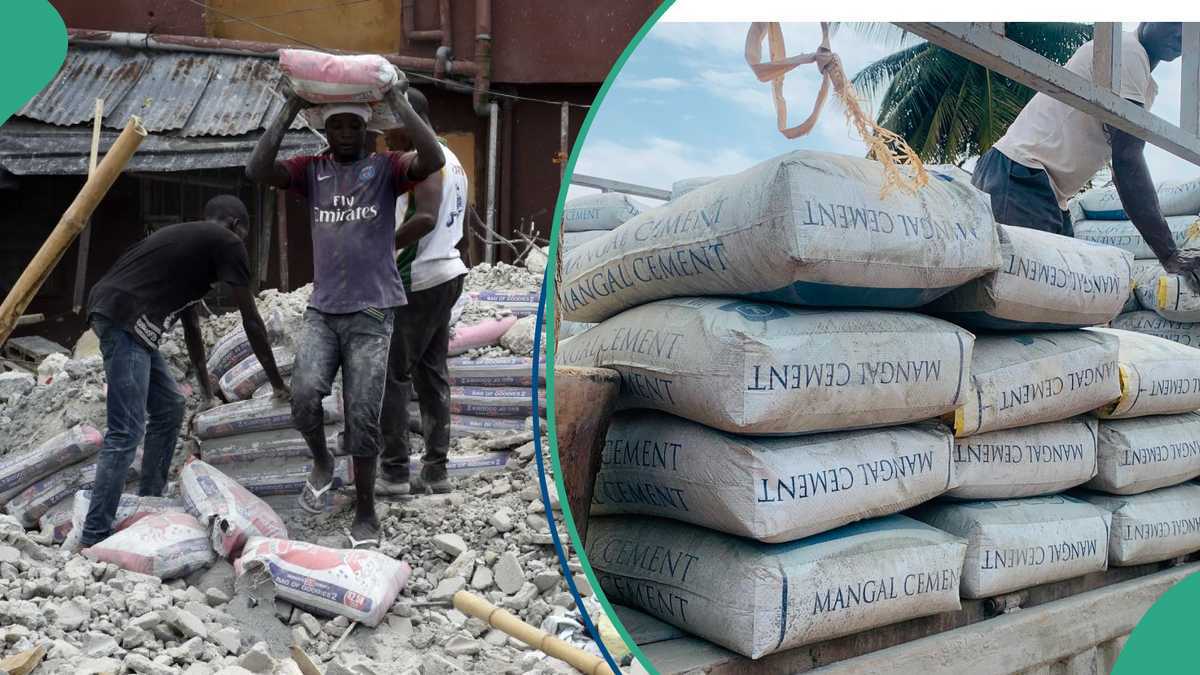

- Nigeria can cut cement prices by reducing high production, energy, transportation, taxes and financing costs
- Better roads, railways, electricity, ports and fewer checkpoints and unofficial charges would make it cheaper to produce and move cement
- Experts also say expanding exports through AfCFTA and ECOWAS could increase production efficiency and help manufacturers spread costs across larger markets
Legit.ng journalist Victor Enengedi has over a decade’s experience covering energy, MSMEs, technology, banking and the economy.
Nigeria may have abundant limestone deposits and significant cement production capacity, but the cost of cement remains a major burden for builders, construction companies and households.
While increasing local production is important, experts say lowering the cost of producing and moving cement could have a more direct impact on prices.

Source: UGC
Trade expert, Dr John Isemede, argues that Nigeria must look beyond the amount of cement it produces and tackle the factors that make the product expensive from the factory to the final consumer.

Reduce energy and production costs
One of the major steps Nigeria can take is to reduce the cost of manufacturing. Cement production requires significant energy, meaning unreliable and expensive power can quickly translate into higher prices.
Improving electricity supply, reducing dependence on costly alternative energy sources and creating a more stable business environment would allow manufacturers to operate more efficiently.
Lower financing costs and greater regulatory certainty could also reduce the expenses manufacturers build into the price of cement.
Fix Nigeria’s costly transport system
Because cement is a heavy product, transportation costs can have a major impact on its final price. Poor roads, expensive haulage and limited rail connections can make it costly to move cement from factories to major markets.
Isemede said Nigeria needs efficient roads, rail networks, ports and transport corridors to reduce the cost of moving goods.
The country could also cut costs by eliminating unnecessary checkpoints and unofficial payments to local groups and other actors along major transport routes. Such expenses eventually become part of the price consumers pay.

Cut multiple taxes, levies and charges
Manufacturers and businesses operating across Nigeria often face several taxes, levies and other charges. These additional costs can increase the expense of producing and distributing cement.
Streamlining such charges and eliminating unnecessary fees could give manufacturers more room to reduce their prices.
Efficient ports and faster customs and border procedures would also reduce delays and additional logistics expenses.
Use exports to drive efficiency
Isemede also believes Nigeria should take advantage of regional markets through the African Continental Free Trade Area (AfCFTA) and the ECOWAS Trade Liberalisation Scheme.
Expanding into neighbouring markets could enable manufacturers to increase sales volumes, spread business risks and improve efficiency. However, export incentives alone cannot solve the problem if production, energy and transportation costs remain high.

Source: Getty Images
Ultimately, Nigeria’s ability to make cement more affordable will depend on reducing the costs surrounding production and distribution.
With cheaper energy, better infrastructure, fewer levies and checkpoints, lower financing costs and more efficient transport systems, manufacturers could operate at lower costs.
The goal, therefore, should not only be to produce more cement, but to create an environment where cement can be produced and delivered more cheaply to Nigerians.
Source: Legit.ng