

For two decades, Paris has seemingly been trying to transition beyond Françafrique, its controversial policy of maintaining influence and interests in its former African colonies – a posture widely dubbed the epitome of neo-colonialism.
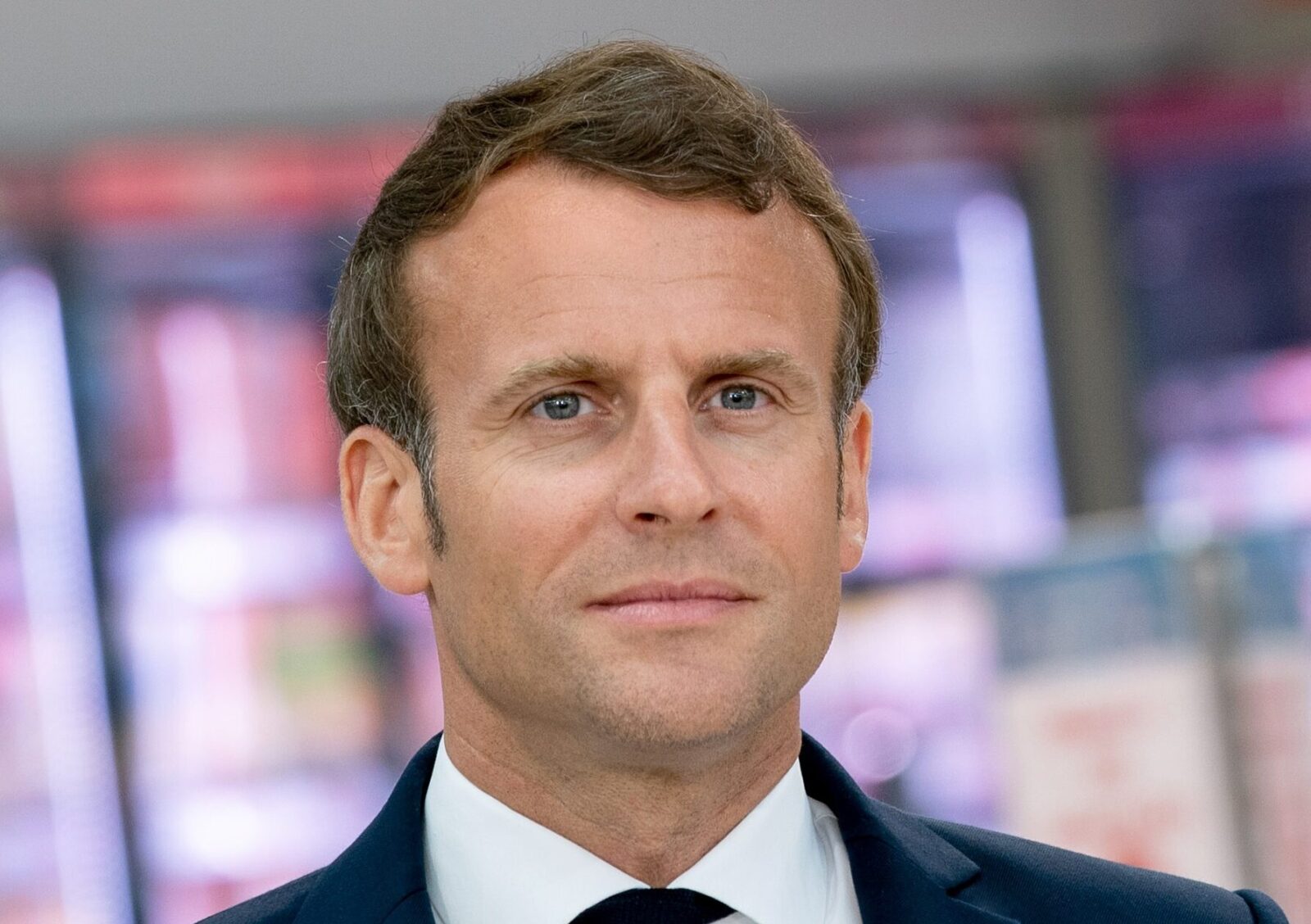
France’s President Emmanuel Macron accelerated the transition, spelling out his Africa doctrine in 2017. It included apologising for colonial wrongs, restoring stolen African cultural art, refocusing economic relations on trade and investment rather than aid, and expanding continental relations beyond Francophone Africa.
Mr Macron has done some of that, but it has taken 10 years to hold the first France-Africa summit outside France or Francophone Africa. He did that this week, co-hosting the latest edition – Africa Forward – with Kenyan President William Ruto in Nairobi.
About 30 heads of state and government attended, along with international organisations, over 1,500 business executives, and many cultural and artistic figures. It concluded with a Nairobi Declaration that unveiled ‘an ambitious roadmap aimed at reshaping economic ties, strengthening industrial growth and giving Africa a greater voice in global financial and political systems,’ said Kenya’s Star.
The declaration focused on growth innovation, green industrialisation, digital transformation, financial reforms and peace and security. It aimed to move France further away from industrialised countries’ traditional relationship with Africa – founded on aid and African raw materials – to help the continent become a major player in manufacturing, technology and value-added production.

To normalise economic relations, Mr Macron announced €23 billion ($27 billion) of new investments into Africa, across various sectors including energy, artificial intelligence and agriculture. €14 billion of that will be provided by French companies and €9 billion by African companies.
Importantly, to further Africa’s economic independence, the discussions and declaration focused on a more equitable global financial architecture, including greater African voice and representation at the World Bank and International Monetary Fund.
This chimed with Mr Ruto’s prominent role as the African Union (AU) champion for institutional reform, especially of international financial institutions. The summit also addressed the problem of high and unequal credit costs for African countries. ‘The issue … is not liquidity. It is risk architecture,’ said Mr Ruto.
United Nations Secretary-General António Guterres agreed, saying African countries faced borrowing costs twice as high, on average, as advanced industrialised economies. ‘That is not a market verdict on Africa. It is a verdict on the injustices of the system,’ he declared. African countries say the major credit rating agencies – all American – exaggerate African risks. The agencies insist they apply the same objective criteria globally.
The summit discussed the AU’s plan to establish an African credit rating bureau to address the problem. Mr Macron said he supported the idea of creating a first-loss guarantee mechanism to de-risk investments in Africa, and would lobby for this at next month’s G7 summit, hosted in France.
Mr Ruto declared that ‘ at the heart of this relationship is sovereign equality,’ and Mr Macron said this was the start of a new era of autonomy for both continents. He candidly acknowledged that this new era was necessary as France – and other powers – no longer had the means to do otherwise.
Messrs Ruto and Macron were a good match as both are champions of private enterprise and privatisation as the vehicle for prosperity. And both advocate for climate change funding and security. Mr Ruto is seen as a Western ally and will attend the G7, so much of the Nairobi agenda will likely be revived there.
There is some discontent about this in Pretoria, as Mr Macron evidently promised South African President Cyril Ramaphosa an invitation to the G7 summit to help him keep his G20 agenda alive. France privately disinvited Mr Ramaphosa, saying United States President Donald Trump had threatened to boycott the summit if Mr Ramaphosa attended. Publicly, France explained that Mr Ruto would be invited as he was co-hosting the France-Africa summit.
So for both Messrs Ruto and Macron, the Nairobi summit appears to have been a success, even if there were detractors, including some protestors who burnt French flags.
Paul-Simon Handy, director of the Institute for Security Studies’ Regional Office for East Africa and the Horn, said Mr Macron’s message was well received. Mr Handy attended the summit and told Al Jazeera it had been ‘an overdue change … of priorities’ to hold the France-Africa summit in a non-Francophone country.
Mr Macron had also sent a new signal about France’s relations with Africa that ‘it’s not anymore about politics or geopolitics. It’s more about business, innovation and creating jobs,’ said Mr Handy. That message resonated particularly well in Kenya, the ‘economic and business hub of East Africa, reaching out also to Southern Africa.’
There has nonetheless been considerable sceptical commentary that Mr Macron turned to Anglophone Africa only out of desperation because France has been largely expelled from Francophone countries on the continent. This applies particularly to the Sahelian states, where military juntas have ousted Paris-friendly civilian governments.
Mr Handy didn’t disagree that France had held the summit in Nairobi to try to claw back ground lost in Africa. But he presented it as France having learnt lessons from the Sahelian imbroglio rather than as desperately seeking new allies.
French presidents have sometimes struggled to elegantly articulate their complex feelings about Africa. Nicolas Sarkozy infamously declared in 2007 in Dakar: ‘The tragedy of Africa is that the African man has never really entered history’ because, he said, the African peasant endlessly repeated the same actions and words, leaving no place for human adventure or progress.
In Nairobi this week, Mr Macron declared that the French were ‘the true Pan-Africanists’ – which some found paternalistic.
But give him credit for historical candour. He added that Africa was ‘a continent that I no longer want France to look at as a private backyard where business leaders would somehow have all the rights or all the contracts guaranteed to them because it was Francophone Africa, where some people sometimes believed that France provided a kind of guaranteed insurance, whatever happened, by being there to make or unmake governments. That has been over since 2017.’
Peter Fabricius, Consultant, ISS Pretoria
(This article was first published by ISS Today, a Premium Times syndication partner. We have their permission to republish).