

- July 2026 saw Sokoto’s LPG prices rise to N1,575 per kilogramme, the highest in Nigeria
- New data shows that domestic LPG supply increased 4% in July, driven by a 22% rise in local production
- NMDPRA has warned of a reduced LPG stock cover at just 16.3 days amid rising consumption
Pascal Oparada is a journalist with Legit.ng, covering technology, energy, stocks, investment, and the economy for over a decade.
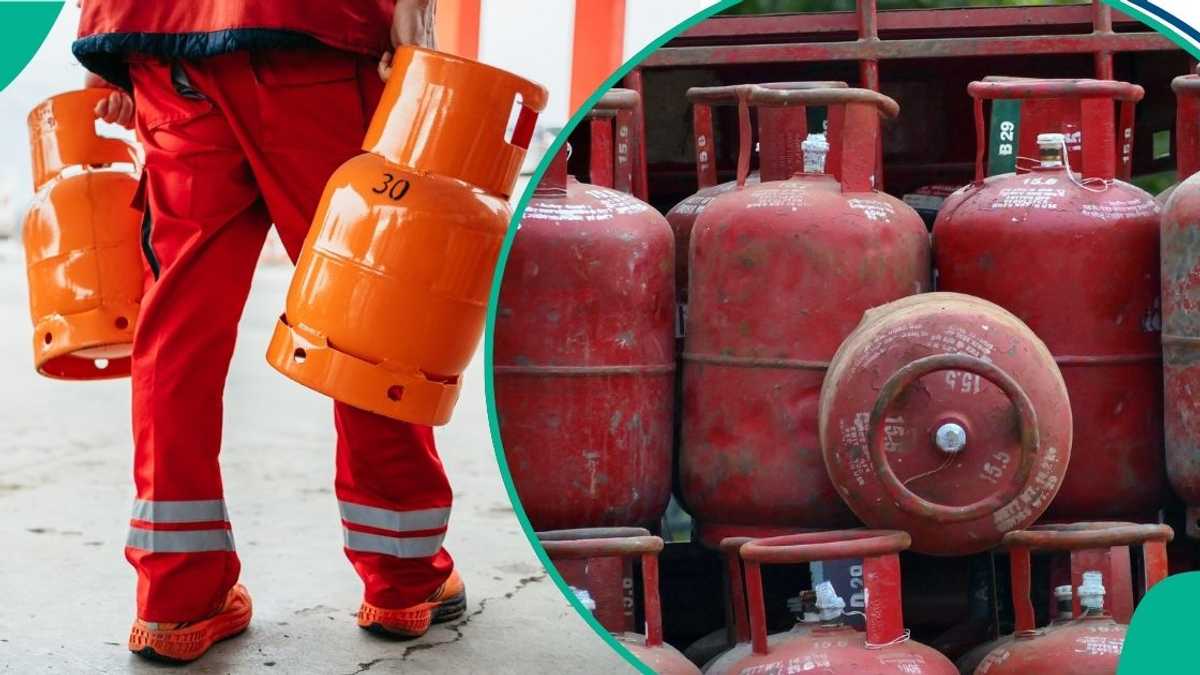
Liquefied Petroleum Gas (LPG), popularly known as cooking gas, sold for as much as N1,575 per kilogramme in Sokoto in July 2026, making it the most expensive among six major Nigerian cities tracked by the Nigerian Midstream and Downstream Petroleum Regulatory Authority (NMDPRA).
The latest NMDPRA fact sheet showed significant price differences across the locations, with Lagos recording the lowest average retail price at N1,325 per kilogramme during the month.

Credit: Novatis
Source: Getty Images
Sokoto, Kano lead price rankings

According to the data, Kano and Enugu followed Sokoto, with average retail prices of N1,550 per kilogramme each.
Ibadan recorded an average price of N1,540 per kilogramme, while consumers in Calabar paid about N1,410 per kilogramme.
The regulator’s figures also revealed a wide gap between the highest and lowest prices recorded within the cities.
Maximum retail prices reached N1,650 per kilogramme in Kano, Sokoto and Enugu. Meanwhile, minimum prices ranged from N1,150 per kilogramme in Lagos to N1,500 per kilogramme in Sokoto.
The figures highlight the continued disparity in cooking gas prices across Nigeria despite an increase in domestic LPG supply.
Domestic LPG supply climbs
NMDPRA said total LPG receipts increased by 4 per cent month-on-month, rising from 5.1 kilotonnes per day in June to 5.3 kilotonnes per day in July.
The increase was largely driven by domestic production, which climbed by 22 per cent, from 3.6 to 4.4 kilotonnes per day.
At the same time, LPG imports declined sharply by 40 per cent, falling from 1.5 to 0.9 kilotonnes per day.

The regulator said July’s total daily LPG supply of 5.332 kilotonnes came from several sources. NLNG/SEPNU vessel deliveries accounted for the largest share at 2.031 kilotonnes per day, while other processing plants supplied 1.513 kilotonnes per day through trucks.
Imports contributed 0.959 kilotonnes per day, while the Dangote Refinery supplied 0.829 kilotonnes per day.
Rising demand narrows supply buffer
Despite the improvement in domestic supply, LPG consumption also increased during the month.
NMDPRA reported that consumption rose 7 per cent, from 4.1 kilotonnes per day in June to 4.4 kilotonnes per day in July.
The stronger demand narrowed the gap between available supply and consumption, putting pressure on the country’s LPG stock position.
National LPG stock sufficiency stood at 16.3 days in July, the lowest among the four key petroleum products monitored by the regulator.

Credit: Novatis
Source: Getty Images
The figure remained significantly below NMDPRA’s 30-day minimum threshold considered safe for stock availability.
By comparison, diesel had a stock cover of 46.5 days, while aviation fuel stood at 58.6 days.
The data suggests that while Nigeria is recording stronger domestic LPG production and relying less on imports, rising consumption and uneven distribution could continue to influence cooking gas prices across different parts of the country.

Dealers release new cooking gas prices
Legit.ng earlier reported that the price of liquefied petroleum gas (LPG), popularly known as cooking gas, has recorded fresh reductions at some major Nigerian depots, with Dangote Refinery and 11 Plc leading the latest downward movement.
The latest PetroleumPriceNG data shows that Dangote is currently selling LPG at ₦950 per kilogramme, representing a ₦10 reduction, or 1.04 per cent, from its previous rate.
The development places Dangote among the lowest-priced major depots captured in the latest market update and could provide some relief for households and businesses that depend on cooking gas.
Source: Legit.ng