
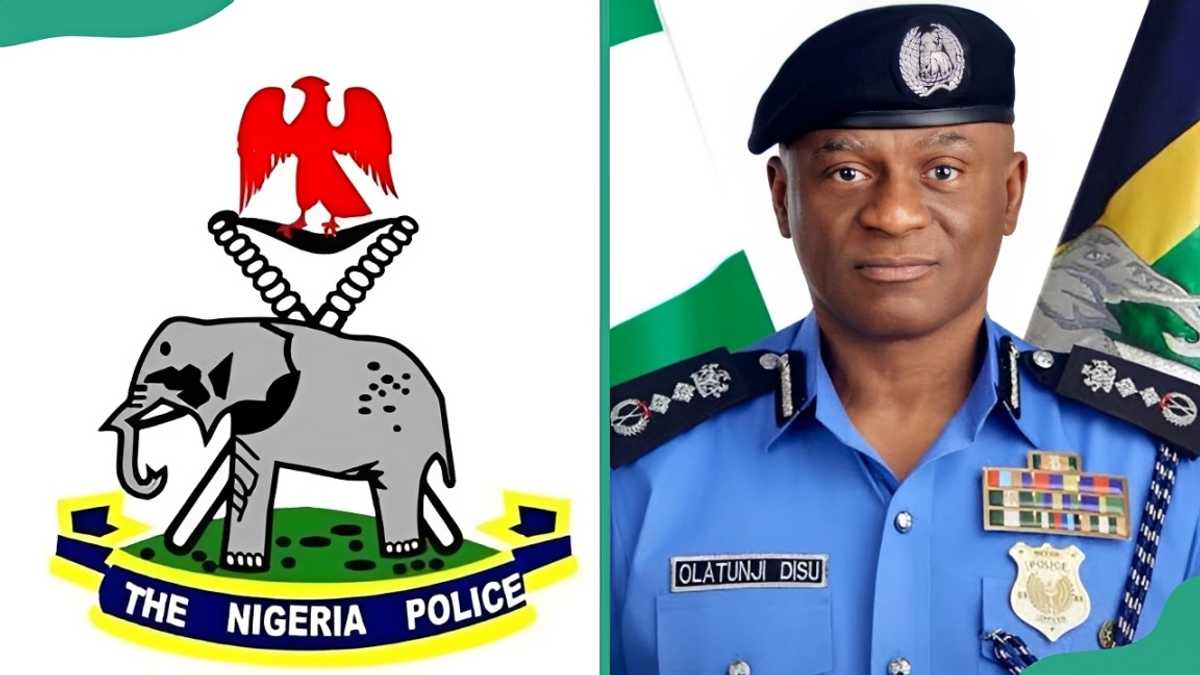

Police salaries in Nigeria range from ₦10,114 for trainees to over ₦938,000 monthly for the Inspector General. An officer’s total earnings depend on their rank, grade level, and specific operational allowances. Recent federal interventions introduced a 20 percent special allowance and tax waivers to boost net income.

Source: UGC
TABLE OF CONTENTS
Key takeaways
- Entry-level constable salaries start at ₦43,293 per month and rise to ₦938,578 for the Inspector General.
- Police recruits receive a monthly stipend of ₦10,114 while training at police colleges.
- Tax concessions and a 20 percent peculiar allowance under CONPOSS significantly improved junior officers’ net pay.
- Special constables work as voluntary community auxiliaries and do not earn fixed monthly salaries.
- Educational qualifications control recruitment entry levels and directly determine career progression in the force.
Police salaries in Nigeria
To understand police compensation in Nigeria, you must examine the Consolidated Police Salary Structure (CONPOSS). The Nigeria Police Force uses a structured paramilitary system to determine basic pay and allowances. Remuneration depends on rank, grade level, length of service, and specific duty allowances.

These allowances cover housing costs, operational hazards, and uniform maintenance. Recent government reforms focused on a 20 percent salary increase, expanding peculiar allowances, boosting shift pay, and granting tax relief to junior personnel. Additionally, the Nigerian federal government introduced a national minimum wage of ₦70,000 per month.
Police ranks in Nigeria and salary

Source: Facebook
Fresh constables start on modest salaries, while senior officers and operational commanders receive substantial pay packages. Below is an average salary breakdown by police ranks, based on figures compiled by MyJobMag.
|
Category / rank |
Grade level (GL) & step |
Salary range (monthly) |
|
Police Recruit |
Training level |
₦9,019 – ₦10,114 |
|
Police Constable |
GL 03 |
₦43,293 – ₦51,113 |
|
Corporal & Sergeant |
GL 04 – GL 05 |
₦44,715 – ₦55,973 |
|
Sergeant Major |
GL 06 |
₦55,144 – ₦62,204 |
|
Inspector of Police |
GL 07 |
₦73,231 – ₦87,135 |
|
Assistant Superintendent (ASP) |
GL 08 – GL 09 |
₦127,604 – ₦156,318 |
|
Superintendent (SP/CSP) |
GL 10 – GL 12 |
₦148,733 – ₦199,723 |
|
Commissioner of Police (CP) |
GL 15 |
₦266,777 – ₦302,970 |
|
Inspector General of Police (IGP) |
Executive level |
₦854,272 – ₦938,578 |
Junior officers and constables

Source: Facebook
Junior officers form the backbone of daily street patrols and general community policing across Nigeria. Recruits receive a modest monthly stipend of approximately ₦10,114 during training.

Upon passing out as constables on Grade Level 03, base earnings rise to ₦43,293 monthly. Corporals and sergeants earn between ₦44,715 and ₦55,973 per month, depending on step increments.
Inspectors and mid-level officers
Inspectors earn between ₦73,231 and ₦87,135 monthly at Grade Level 07. They manage police stations, direct administrative duties, and lead tactical operations. Commissioned officers from the Nigeria Police Academy entering as Assistant Superintendents of Police (ASP) earn between ₦127,604 and ₦156,318 each month.
Senior Commissioned Officers and Divisional Chiefs

Source: Facebook
Senior officers supervising divisions, state commands, and zonal headquarters command much higher pay scales. A Divisional Police Officer (DPO) typically holds the rank of Superintendent or Chief Superintendent.
Consequently, a DPO earns between ₦161,478 and ₦199,723 every month. At the executive level, Commissioners earn around ₦300,000 per month, while the IGP earns up to ₦938,578 per month.
Police additional benefits and allowances in Nigeria
Like many security agencies, base salary accounts for only part of a police officer’s total earnings. The federal government provides additional allowances to cover operational expenses and daily risks.
- Rent subsidy: Covers up to 40 percent of CONPOSS basic pay.
- Peculiar allowance: Adds a 20 percent monthly boost to all ranks.
- Shift and duty tour allowances: Extra payments for extended field postings or overnight shifts.
- Hazard allowance: Extra compensation for operational dangers faced on duty.
- Health and maintenance allowances: Health insurance under the NHIS and regular uniform upkeep.

Roles and responsibilities of the Nigeria Police Force

Source: Facebook
The Nigeria Police Force (NPF) maintains public order, protects lives, and prevents crime across the country. Primary responsibilities include:
- Investigating criminal offenses and prosecuting suspects in competent courts.
- Managing traffic flow in urban centers and conducting highway patrols.
- Safeguarding critical national infrastructure, diplomatic assets, and government facilities.
- Gathering local intelligence to identify and mitigate security threats.
- Partnering with community leaders to build trust and improve neighborhood safety.
How much is a police officer’s salary in Nigeria?
Salaries range from ₦43,293 for constables to ₦938,578 for the Inspector General, depending on rank and allowances. However, police recruits earn ₦10,114 per month during training.
What is the salary of the Special Constabulary Police in Nigeria?

Source: Facebook
Special constables serve voluntarily. They have no official salary structure from CONPOSS, though some states provide monthly stipends.
What is an Inspector of Police’s salary in Nigeria?

The Inspector of Police salary in Nigeria starts at approximately ₦73,231 per month for Cadet Inspectors (GL 07 Step 1). It goes up to ₦87,135 per month for senior Inspectors at Step 10.
What is a DPO salary in Nigeria?
A Divisional Police Officer (DPO) earns between ₦161,478 and ₦199,723 monthly. This matches the superintendent salary scale.
What are the police officer qualifications in Nigeria?
Candidates must be Nigerian citizens aged 18 to 25 with five Senior Secondary Certificate Examination credits, including English and Mathematics. Higher degrees qualify candidates for Cadet Inspector or Cadet ASP cadres.
Evaluating police salaries in Nigeria requires reviewing rank, entry credentials, and applicable allowances. Pay reforms and tax concessions have helped improve net compensation for junior officers. Acquiring higher educational qualifications remains the most reliable path to achieving senior ranks and higher earnings.
DISCLAIMER: This article is not sponsored by any third party. It is intended for general informational purposes only and does not address individual circumstances. It is not a substitute for professional advice or help and should not be relied on to make decisions of any kind. Any action you take upon the information presented in this article is strictly at your own risk and responsibility!

Legit.ng published an article about civil engineering salaries in Nigeria. Civil engineers in Nigeria usually earn between ₦71,500 and ₦225,000 every month. New graduates start at the lower end of the pay scale, while experienced professionals earn much more. Despite these differences, infrastructure growth makes this field a rewarding career choice.
Higher civil engineering salaries depend heavily on the specific industry you choose to work in. Gas companies generally pay better than construction or government jobs, and having advanced degrees or professional licenses also helps boost your monthly income. Learn more about civil engineering salaries in Nigeria in this post.
Proofreading by Kola Muhammed, copy editor at Legit.ng.
Source: Legit.ng