
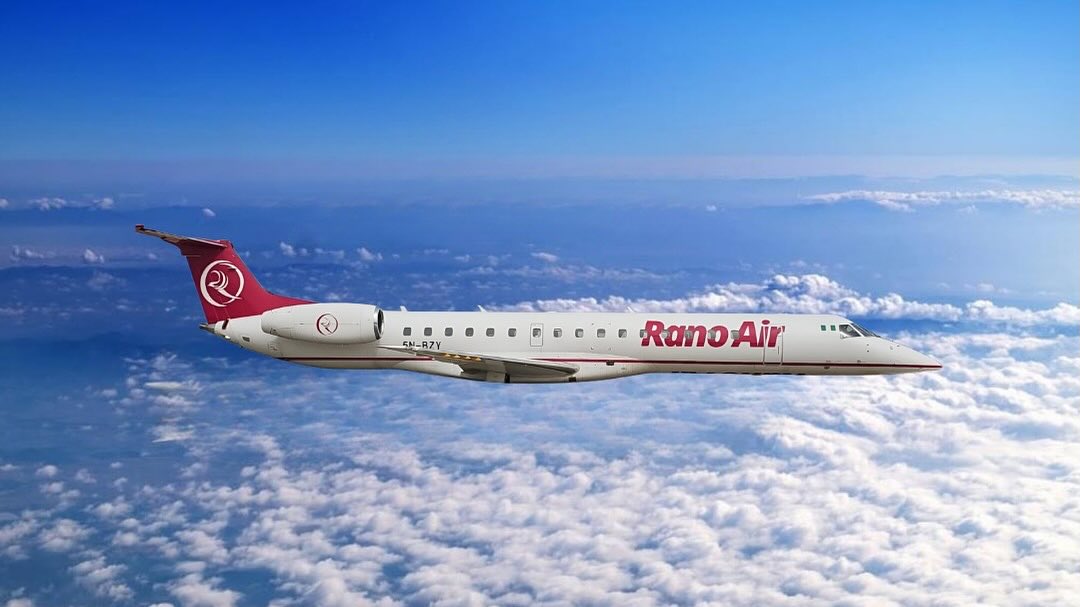

Rano Air has announced the temporary suspension of some of its flight routes, citing the sharp rise in aviation fuel prices and worsening operational costs in Nigeria’s aviation sector.
In a statement issued on Friday, the airline said the more than 300 per cent increase in the cost of Jet A1 fuel has made the operation of some routes “extremely challenging and commercially unsustainable.”
The airline said the development has placed “enormous pressure” on flight operations, forcing it to scale back services on affected routes.
“Rano Air has taken the difficult but necessary decision to suspend some of our routes temporarily,” the airline said.
The carrier, however, did not immediately specify the routes affected by the suspension.

According to the airline, passengers with existing bookings on impacted routes would receive assistance regarding refunds, rescheduling or rerouting options.
It also assured customers that operations on the affected routes would resume once conditions improve and become “operationally viable.”
The latest development adds to growing concerns over the financial strain facing Nigerian airlines as aviation fuel prices continue to surge despite recent interventions by the federal government.
PREMIUM TIMES reported extensively on the Jet A1 fuel crisis and its impact on airline operations across the country, including delays, cancellations, schedule disruptions and threats of operational shutdowns by carriers struggling with rising costs.
Several operators, including Air Peace, United Nigeria Airlines and Ibom Air, have repeatedly warned that soaring aviation fuel prices are placing severe pressure on their businesses and affecting service reliability for passengers.
Earlier reports by PREMIUM TIMES also highlighted how the Airline Operators of Nigeria (AON) threatened to suspend operations over what it described as “astronomical and unsustainable” increases in fuel prices, which rose from around N900 per litre to over N3,300 in some locations.
Although the federal government later intervened through the Minister of Aviation and Aerospace Development, Festus Keyamo, operators have continued to report operational difficulties linked to fuel supply constraints and pricing volatility.
READ ALSO: Jet A1 crisis disrupts Air Peace flights as passengers decry delays, rescheduling
Industry analysts say fuel remains the single largest cost component for airlines, accounting for as much as 40 per cent of operating expenses in Nigeria, significantly higher than global averages.
The continued rise in fuel costs has also translated into growing inconvenience for passengers, with many travellers experiencing prolonged delays, sudden rescheduling and reduced flight frequencies across domestic routes.
Rano Air said despite the challenges, it remains committed to maintaining “safe, reliable and sustainable operations” while supporting affected passengers during the disruption.