
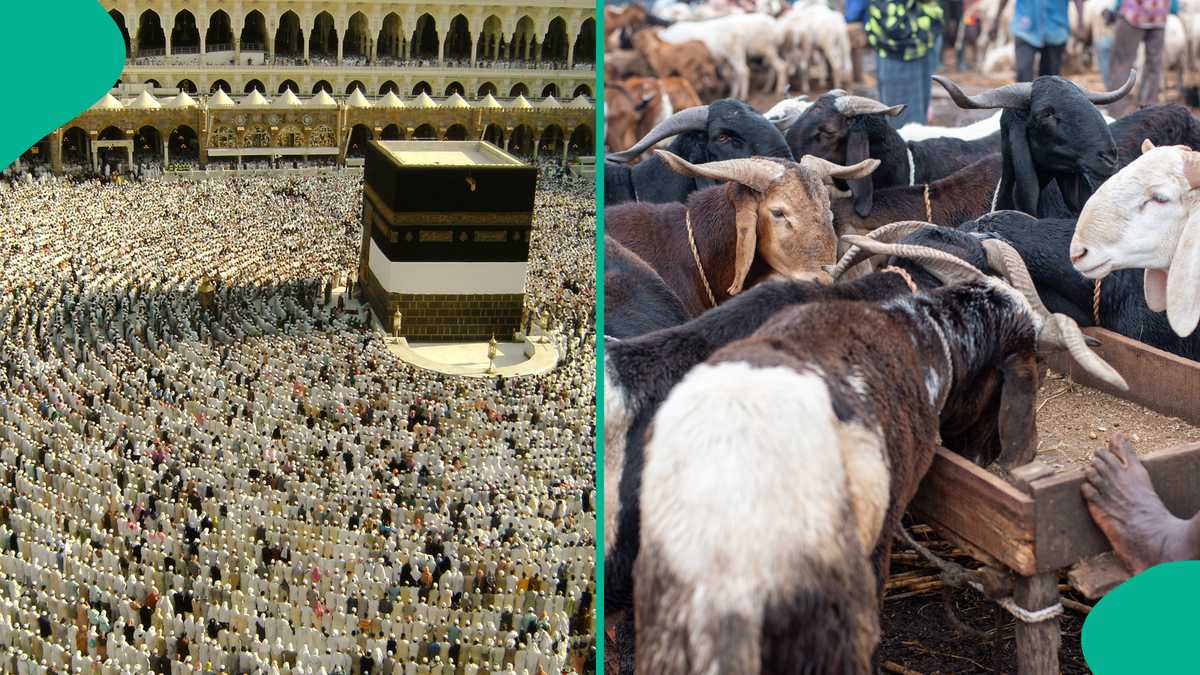

- Eid-ul-Adha, the Festival of Sacrifice, is one of the most important celebrations in Islam, bringing together millions of Muslims worldwide in prayer, charity, and devotion
- In 2026, the festival is expected to begin on Wednesday, May 27, though the exact date will depend on the crescent moon sighting
- This sacred occasion honours the faith of Prophet Ibrahim and continues to inspire values of sacrifice, compassion, and unity across communities
Eid-ul-Adha, also called the Festival of Sacrifice, is one of the most important occasions in Islam. It is marked by prayer, charity, and the sacrifice of animals, reminding Muslims of faith, devotion, and generosity.
Here is a clear guide to understanding Eid-ul-Adha 2026.

Source: Getty Images
Eid Al Adha 2026
The festival takes place on the 10th day of Dhul Hijjah, the last month of the Islamic calendar. In 2026, astronomers estimate that Eid-ul-Adha will begin on Wednesday, May 27, 2026.
According to Isna, the exact date will depend on the crescent moon sighting, which may vary by location. The celebration usually lasts three to four days, including the days of Tashreeq.

Significance of Eid-ul-Adha
Eid-ul-Adha honours Prophet Ibrahim (AS), who was willing to sacrifice his son in obedience to Allah. Allah replaced his son with a ram, symbolising faith, sacrifice, and compassion. The festival reminds Muslims that true devotion lies in sincerity and piety rather than material offerings.
The connection between Hajj and Eid-ul-Adha
Eid-ul-Adha coincides with the annual Hajj pilgrimage to Makkah, one of the five pillars of Islam. Pilgrims perform rituals such as Ramy al-Jamarat, the stoning of the devil, and animal sacrifice. For Muslims not attending Hajj, Eid-ul-Adha is a spiritual opportunity to reflect on faith, humility, and thanksgiving.
Key rituals
Eid Prayer, known as Salat al-Eid, is performed in mosques or open fields, followed by a sermon. Qurbani, the sacrifice of livestock such as sheep, goats, cows, or camels, is carried out to honour Prophet Ibrahim’s devotion. The meat is divided into three parts: one for the family, one for relatives and friends, and one for the poor. Charity and sharing are central to the festival, encouraging Muslims to support the needy and strengthen community bonds.

Muslims prepare by cleaning and decorating their homes, buying animals for Qurbani, purchasing new clothes, preparing festive meals, and increasing prayers. The days of Dhul Hijjah are considered among the holiest in the Islamic year, inspiring greater devotion.
How Eid-ul-Adha is celebrated around the world
In South Asia, families prepare dishes such as biryani, kebabs, and qorma using fresh Qurbani meat. In the Middle East, celebrations include large family feasts, charity events, and extended gatherings. In Western countries, Muslims gather in mosques, parks, or community centres for prayers and cultural festivals. Organisations like ISNA, the Islamic Society of North America, play a key role in organising community prayers and charity events.
The spiritual message of Eid-ul-Adha
The festival encourages Muslims to strengthen their faith, show generosity, support the needy, and embrace sacrifice and gratitude. It is a reminder that devotion to Allah and service to humanity are more important than material possessions.
Muslims greet each other with the phrase “Eid Mubarak”, meaning “Blessed Eid”. Families exchange gifts, visit relatives, and share meals. Children often receive Eidi, which are small gifts or money given by elders.


Source: Getty Images
Why Eid-ul-Adha matters today
In today’s busy world, Eid-ul-Adha is a reminder of faith, sacrifice, and unity. It inspires Muslims to follow the example of Prophet Ibrahim, strengthen communities, and practise compassion. Organisations such as ISNA continue to promote these values through charity and education.
Eid-ul-Adha 2026 will bring millions of Muslims together in prayer, sacrifice, and charity. Beyond the rituals, the festival is about devotion to faith and service to humanity. It is a time for families to share blessings, spread kindness, and celebrate togetherness.
Source: Legit.ng