
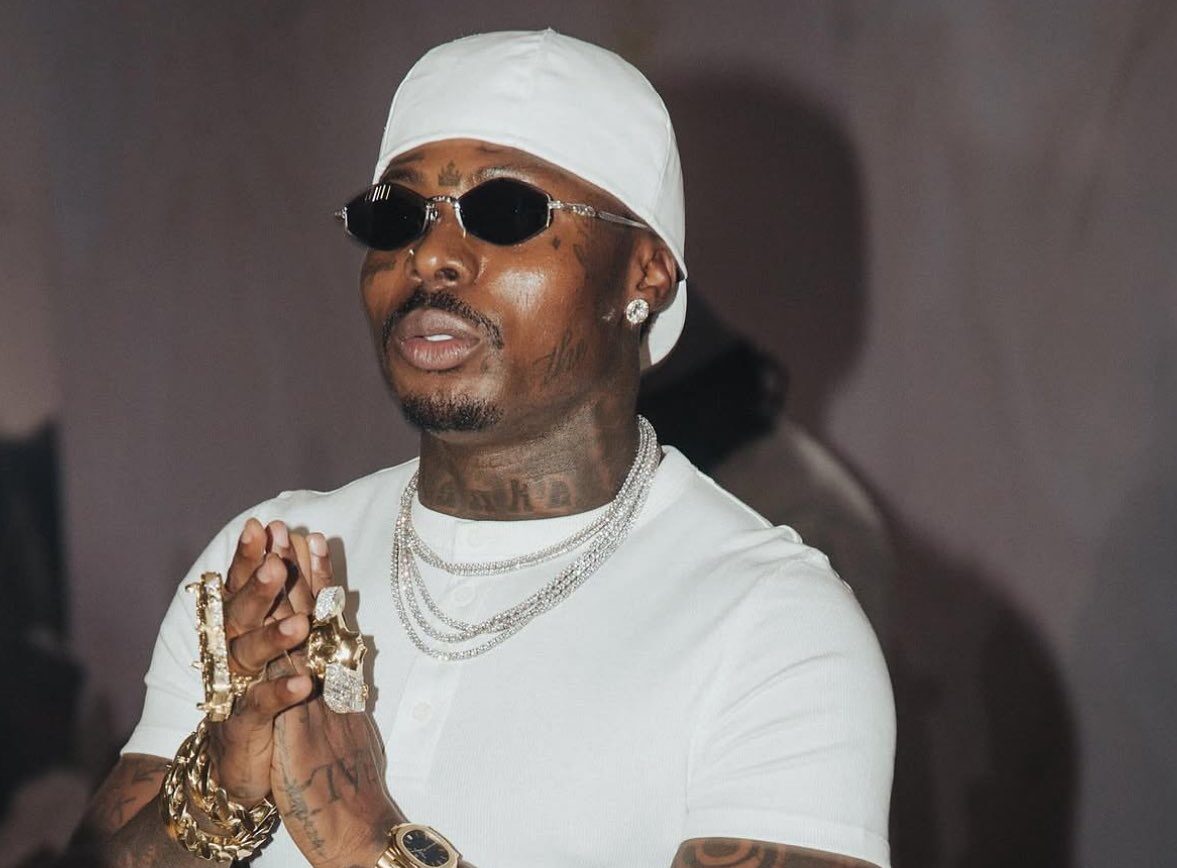

Boasting four bodies of work, Asake’s M$NEY is not just talking about wealth in the physical sense. Released on Friday, through EMPIRE and his record label GIRAN Republic, M$NEY is Asake’s fourth studio album. It follows Lungu Boy. The rollout was led by songs like “Why Love”, “Badman Gangsta” with Tiakola and “Worship” featuring DJ Snake.
The two-time Grammy-nominated star stretches the idea of money into something deeper. Here, money becomes gratitude, growth, peace of mind and even survival. It is less about what sits in your account and more about what sits in your spirit. This album feels like a man looking at everything he has gained and quietly asking himself what it all truly means.
Growth, not just hype
From gaining spotlight in 2020, the Lagos-born singer has always balanced street energy with spirituality, but on M$NEY, that balance feels more intentional. From Mr Money With The Vibe to Work of Art and Lungu Boy, the journey has been loud, fast and successful. This time, he slows things down just enough to reflect.
You can hear it in the way the 31-year-old delivers certain lines. There is less urgency to prove anything and more focus on understanding the weight of success. He still sounds like the same artiste, but now there is more control, more awareness and more honesty. At its heart, M$NEY is about balance.

A matching energy listening party
PREMIUM TIMES witnessed his album’s Lagos listening experience at the Legends Private Terminal in Murtala Muhammed International Airport, which set the tone before anyone even pressed play.

The private jet hangar was transformed into a space that felt calm and intentional. Sand tones, live instrumentals, soft luxury, with guests in an aura of wealth and a marble sculpture of Asake by Iraqi-Dutch sculptor Athar Jaber, all pointed to the same message the album carries.
By 12 a.m., Mr Money had already led the train into his gratitude world, with Young John, Blaqbonez, BNXN, Shoday and Zlatan amongst other stars, and about 500 guests.
Track analysis
The 13-track album opens gently, easing listeners into its world, but it quickly finds its rhythm. “Worship,” featuring DJ Snake, combines spirituality with club energy. Asake leans into devotion while still keeping the beat alive. Lines about praise and elevation sit comfortably atop heavy production, making it both reflective and danceable.
“Gratitude” is one of the most honest moments on the album. When he says, “I no fit lie, wetin my eye don see, ó pọ̀ gan,” you can hear both the pride and the exhaustion. He references struggle, blessings and even criticism, reminding listeners that success does not come without pressure. On “MCBH”, which stands for Money Can’t Buy Happiness, he gets even more direct. “Money can’t buy happiness, live your life no dey stress,” he sings, before reminding himself that prayer still matters. It feels like advice he is giving himself as much as the listener.

An appealing “Forgiveness” is quieter but heavier. He admits his faults openly, saying, “Father forgive me for the bad, bad things wey I have done,” and “Nobody is perfect.” It is one of the few moments where the superstar image drops completely, leaving just a man trying to make peace with his past.
Enthronement as “Oba” brings back his confidence. Here, he sounds like someone who knows his position and is not afraid to claim it. The energy is bold, almost celebratory, as he leans into success and status.
Questioning “Why Love” softens the mood again. It explores relationships in a more vulnerable way, hinting at the complications that come with fame and emotional distance. But “Badman Gangsta” with Tiakola carries a smooth, international feel. The delivery is relaxed but confident, mixing street identity with global polish.
ALSO READ: Asake, Wizkid, Seyi Vibez, Burna Boy, Davido are most- most-streamed artistes in Nigeria since 2021- Spotify
“Asambe”, featuring Kabza De Small, shifts things into amapiano territory. It is one of the more carefree moments on the album, built for movement and release. Across songs like “Rora” and “Amen”, Asake keeps his street voice alive. He still talks his talk, still protects his space, but even in those moments, there is a thread of faith running underneath it all.
Production
Asake’s ‘M$NEY’ marks a shift from his debut single-producer approach to a more diverse, global sound. While his longtime collaborator Magicsticks produced the majority of the project, the album also features high-profile international and local producers such as DJ Snake, Kabza De Small, and BlaiseBeatz.
The production does a lot of the emotional work on this album. It is rich and sometimes takes the lead over the lyrics. That may not work for everyone on first listen, but it gives the project a kind of depth that reveals itself over time. You may not catch everything immediately, but the more you listen, the more it opens up. Nothing sounds forced. Even when the production is heavy, the message still finds its way through.
M$NEY is not trying to be Asake’s loudest album. It is trying to be his most grounded.
It may not hit as instantly as his earlier work, but it stays with you longer. He is still delivering. This time, with more meaning behind it.
Rating: 7.5/10