
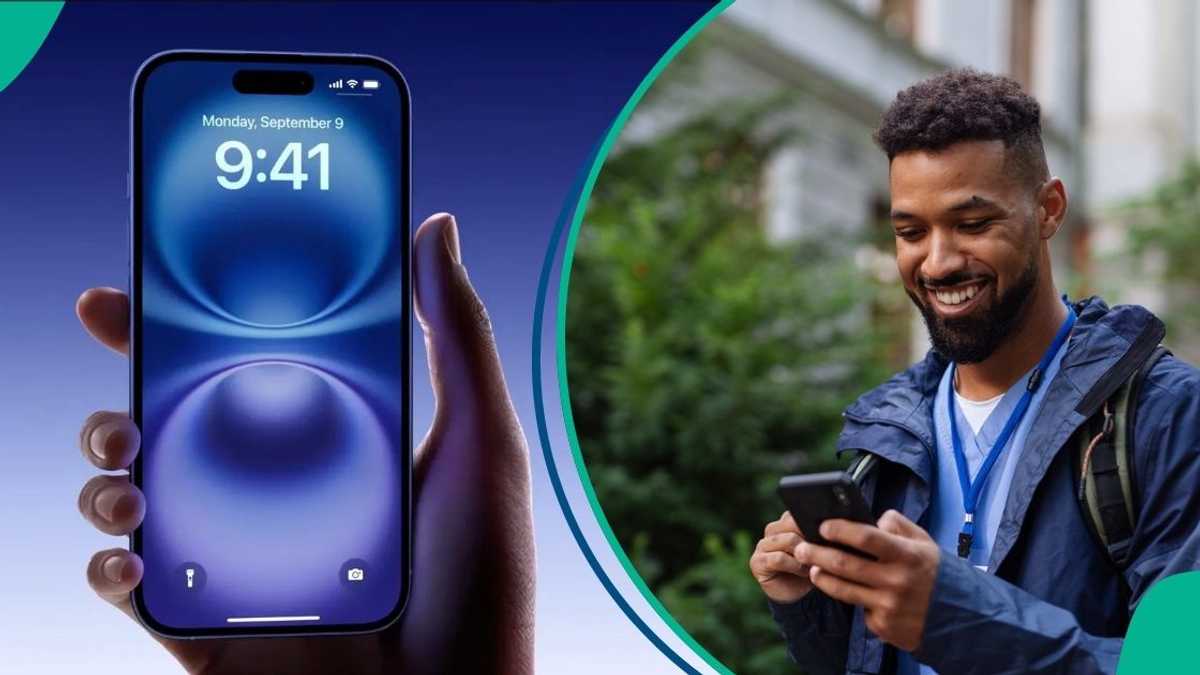

- Customers wishing to switch to an iPhone have a plethora of features available on iOS that are missing on Android
- Some iPhone features have set it apart from Android, making the gadget a must-have for most
- Apple’s strong app privacy controls and resale value contribute to enduring user loyalty compared to Android
Pascal Oparada is a journalist with Legit.ng, covering technology, energy, stocks, investment, and the economy for over a decade.
The iPhone versus Android debate remains one of the biggest arguments in the smartphone world.
While Android phones continue to dominate in customisation, device variety and hardware innovation, Apple still has an advantage in how tightly its devices and services work together.

Credit: Novatis
Source: Getty Images
Some of these features have Android alternatives, but they do not always offer the same level of integration found across the iPhone, iPad, Mac and Apple Watch ecosystem.
Here are five areas where the iPhone continues to stand out.

1. iMessage and FaceTime
Apple’s iMessage and FaceTime remain closely tied to the Apple ecosystem.
iPhone users can send messages through iMessage, use features such as message reactions and editing, and make FaceTime calls across Apple devices.
Android users can communicate with iPhone owners through regular messaging and RCS where supported, while FaceTime on Android works through a web browser rather than a native Android app.
That makes the experience different, particularly for people whose friends and family primarily use Apple devices.
2. Consistent software updates
One of Apple’s biggest strengths is the way it controls both the iPhone hardware and iOS software.
When a compatible iOS version is released, supported iPhone models generally receive the update directly from Apple rather than waiting for a phone manufacturer or network carrier to approve it.
Android has made major progress in this area. Google and Samsung now offer as many as seven years of software support on some newer devices.

However, update policies still vary considerably across the wider Android market, particularly among cheaper smartphones.
3. AirDrop and Apple continuity
AirDrop is one of the most convenient ways to transfer photos, videos and files between nearby Apple devices.
But the bigger advantage is Apple’s Continuity system. Users can copy and paste content between devices, start a task on an iPhone and continue it on a Mac or iPad, and move between devices using Handoff.
Apple says Continuity is built into its operating systems and works across devices including the iPhone, Mac, iPad and Apple Watch.
Android has Quick Share and other cross-device tools, but Apple’s ecosystem remains particularly seamless for users who own several Apple products.
4. Strong app privacy controls
Apple has also made privacy a major selling point.
Its App Tracking Transparency system requires apps to seek permission before tracking users across other companies’ apps and websites for advertising-related purposes.
The App Privacy Report also lets users see how frequently apps have accessed information such as their location, camera and microphone.

Android also offers extensive privacy controls, so this is not an area where Apple has no competition. However, Apple’s approach remains a significant part of the iPhone experience.
5. Strong resale value and long-term appeal
Another reason many users stay with the iPhone is its reputation for holding value.
Older iPhones can remain attractive in the used-phone market, helped by Apple’s long software support and the strong demand for second-hand Apple devices.
Android resale values vary widely depending on the manufacturer, model and market. Premium Samsung and Google phones can retain considerable value, while cheaper Android models can depreciate more quickly.

Credit: Novatis
Source: Getty Images
The bottom line
The iPhone does not win every category. Android remains the stronger choice for users who want extensive customisation, more hardware choices and smartphones across a wider range of prices, according to a report by Yahoo Finance.
Apple’s advantage is different: a tightly controlled ecosystem where the iPhone, iPad, Mac and Apple Watch are designed to work together.
For many users, that convenience is what keeps them from switching.
Why iPhone users are switching to Android

Legit.ng earlier reported that the iPhone revolutionised the smartphone industry and helped shape the modern mobile experience.
Over the years, Apple has built one of the most successful and recognisable smartphone brands in the world.
However, popularity does not always guarantee satisfaction. While millions remain loyal to iPhones, an increasing number of users are moving to Android devices in search of greater flexibility, better value, and features they feel are missing from Apple’s ecosystem.
Source: Legit.ng