
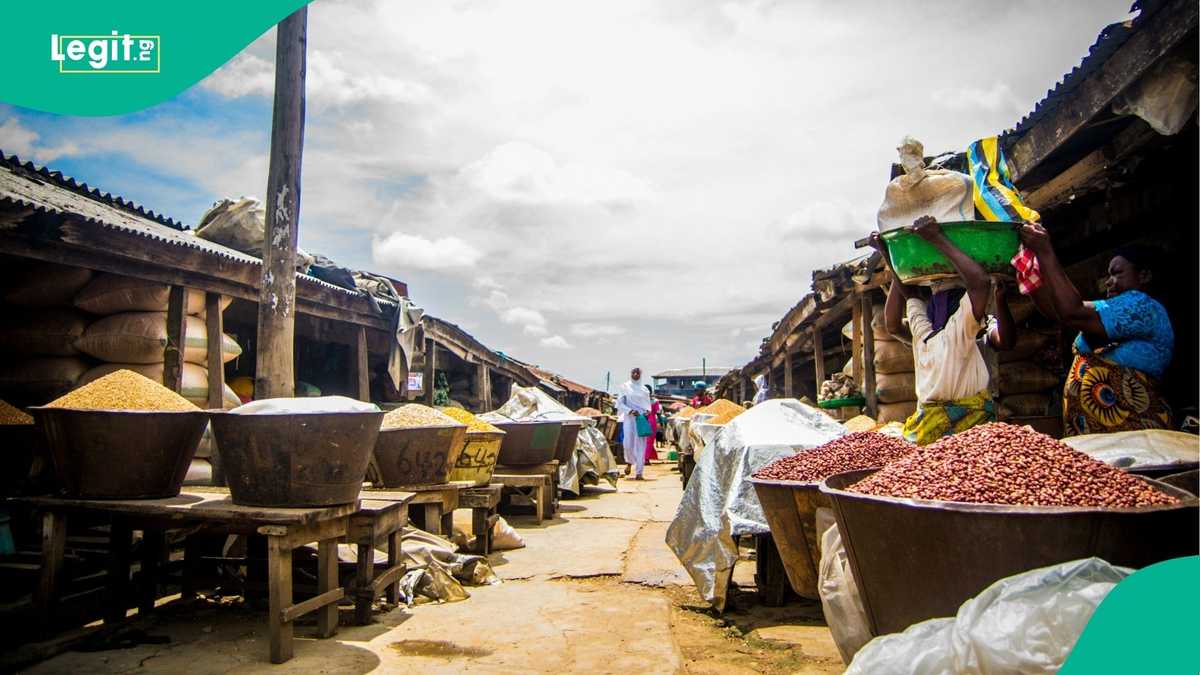

- Nigeria’s headline inflation dropped to 15.43% in July 2026, but some states recorded rates more than double the national figure
- Adamawa topped the list with a 33.0% inflation rate, driven by a food inflation surge to 51.4% — the highest food price pressure recorded
- The NBS report named 10 states where households faced the steepest cost-of-living pressures, spanning all six geopolitical zones
Nigeria’s overall inflation rate fell to 15.43% in July 2026, down from 15.91% in June, according to the Consumer Price Index (CPI) report released by the National Bureau of Statistics (NBS).
However, the national figure masked sharp price pressures in several states, where households continued to carry a significantly heavier cost-of-living burden.

Photo: AFP
Source: UGC
Adamawa and Yobe Lead the List
Adamawa recorded the highest inflation rate in the country at 33.0% in July, a steep climb from 18.8% in June. Food inflation in the state surged to 51.4% from 29.2% the previous month, making it the single largest driver of household expenses.

Agriculture, transportation difficulties, and security challenges are key factors behind the state’s pricing conditions.
Yobe came second at 25.2%, nearly unchanged from 25.3% in June, with food inflation easing slightly to 20.8% from 21.4%.
The state’s distance from major commercial centres and reliance on road transport continue to affect the cost of goods reaching residents.
Anambra followed at 24.0%, up sharply from 13.2% in June, with food inflation rising to 16.8%.
In fourth place, Delta recorded 22.6%, rising from 14.0%, as food inflation in the oil-producing state climbed to 28.1% from 17.0%.
Abia rounded out the top five at 20.9%, driven partly by higher electricity, transport, and production costs in its trading and manufacturing sector.
Southern and Northern States Both Feature in the Rankings
Bayelsa entered the list at sixth position with an inflation rate of 20.3%, up from 12.3% in June. Food inflation in the riverine state rose to 21.9%, with geography and distribution costs cited as contributing factors.

Akwa Ibom followed at 19.9%, up from 14.6%, with food inflation reaching 17.1%.
Zamfara placed eighth despite its headline inflation falling sharply to 19.8% from 28.7% in June.
Food inflation in the state, however, moved in the opposite direction, rising to 30.7% from 16.7%, reflecting ongoing agricultural and security pressures.
Katsina came ninth at 18.1%, down from 19.4%, yet food inflation climbed to 30.8% from 26.4%.
Bauchi closed the list at tenth with 17.7%, marginally lower than 19.2% in June, while food inflation edged up to 22.0% from 21.6%.
Across all 10 states, food inflation remained the dominant pressure on household budgets, with factors including agricultural output, transportation access, energy costs, and security conditions shaping price trends at the state level.

Photo: Bloomberg
Source: UGC
Snapshot of the 10 states
- Adamawa: 33.0%
- Yobe: 25.2%
- Anambra: 24.0%
- Delta: 22.6%
- Abia: 20.9%
- Bayelsa: 20.3%
- Akwa Ibom: 19.9%
- Zamfara: 19.8%
- Katsina: 18.1%
- Bauchi: 17.7%
FG lists food, drinks Nigerians are banned from importing
Earlier, Legit.ng reported that the federal government has released a list of food and drinks Nigerians are prohibited from importing into the country.

The Nigeria Customs Service said the restricted items include animal products, processed foods, beverages and packaged foods.
Customs officers are expected to seize banned products found at airports, seaports and land borders, including live or dead birds and frozen poultry.
Source: Legit.ng