
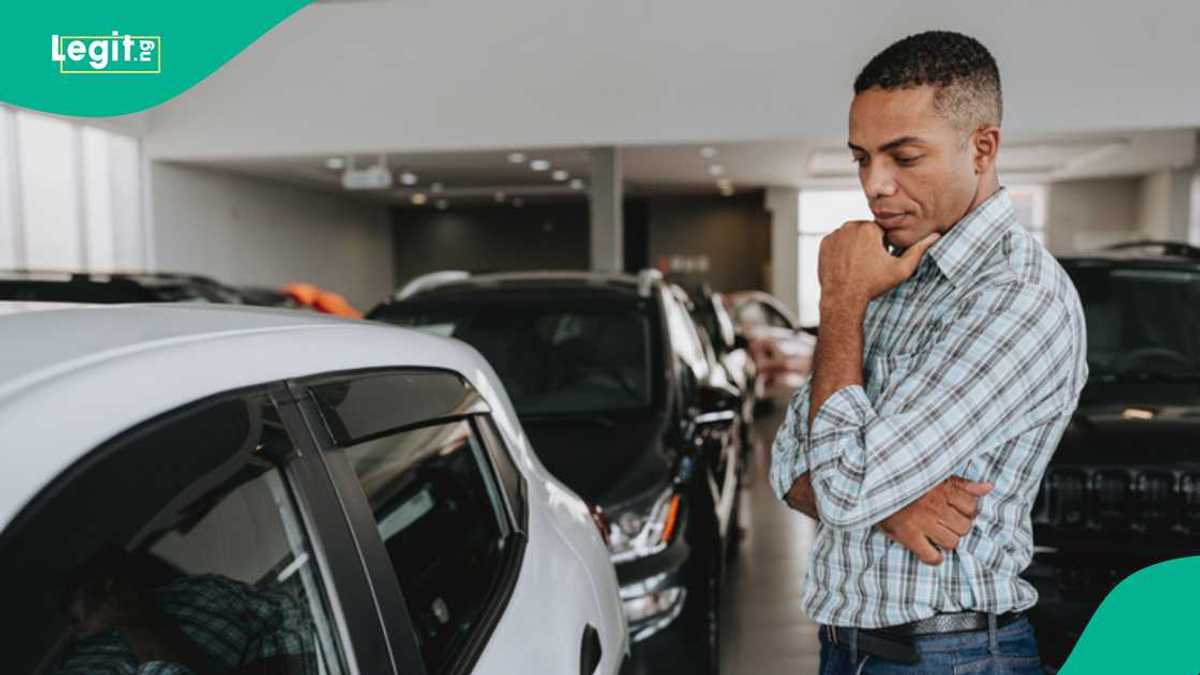

While buying a brand-new car might be out of reach for most Nigerians, purchasing used cars can be a seemingly good option, saving one millions of naira. However, if the vehicle is not properly inspected and due diligence is not carried out, the move can quickly turn into an expensive mistake.
Whether you are interested in buying a Nigerian-used car or a foreign-used vehicle, commonly called Tokunbo, it is important to look beyond the price tag and bodywork before money exchanges hands.

Source: Getty Images
Here are 10 important things to check before buying a used car in Nigeria.
1. Verify vehicle documents
This is probably the most important thing to inspect. Vehicle’s registration documents, proof of ownership, insurance, and other relevant papers must be checked even before discussing price. Consider asking for the appropriate Customs documentation and verify that the details correspond with the vehicle.
The Vehicle Identification Number (VIN) or chassis number on the documents should match the number on the actual vehicle.

Nigeria’s vehicle-registration system captures information including the chassis number, engine number, odometer, and other vehicle details, making it important for buyers to ensure the information is consistent.
The Nigeria Customs Service has also introduced a Customs Verification Management System, which allows vehicle clearance status to be verified using a VIN or chassis number.
2. Check VIN and vehicle history
It is also important to inspect the VIN to verify if the vehicle you are interested in buying is the same as the one being represented in the documents.
A history check can help uncover issues such as previous accidents, salvage history, or inconsistencies in the vehicle’s identity.
This is advised particularly when you are buying an imported car because a vehicle could have previously suffered significant damage before repairs and arrival in Nigeria.
3. Inspect the engine
A healthy-looking engine bay can be misleading. Check the engine when cold for unusual smoke, knocking, leaks, rough idling, and overheating.
Check for visible oil or coolant leaks and monitor the temperature gauge during the inspection and test drive. Overheating or major engine faults can turn a seemingly affordable car into an expensive burden. To avoid costly surprises, always take a trusted mechanic along for a professional inspection.

4. Test the transmission properly
During the test drive, check that the transmission changes gears smoothly without shaking, slipping, delays or unusual noises. In automatic cars, shifting from Park to Drive or Reverse should not cause violent engagement.
Test the vehicle at different speeds and, where safe, in traffic conditions similar to your daily driving. Take your time and do not let the seller rush the process, as transmission repairs can be very expensive.
5. Look for signs of accident repairs
A shiny exterior can conceal previous accident damage. Check for uneven panel gaps, mismatched paint, recent repainting, unusual welding or replacement panels under the bonnet and inside the boot.
An accident-damaged car is not necessarily a bad purchase if repairs were properly done. However, signs of major structural damage should be investigated carefully, preferably by a trusted mechanic, before you commit your money.
6. Check for flood or water damage
Flood-damaged cars can develop serious electrical and mechanical problems long after purchase. Check for damp or musty smells, unusual stains, corrosion, and recently replaced carpets or interior parts.

Inspect hidden areas such as beneath carpets and around the spare-wheel compartment for signs of water exposure. Since electrical faults can be difficult and expensive to trace, any suspicious signs should prompt a thorough inspection by a trusted mechanic.
7. Check the Odometer and mileage
Do not rely solely on the mileage displayed on the dashboard. Compare it with the condition of the steering wheel, pedals, driver’s seat, and gear selector. Unusually low mileage combined with significant interior wear may indicate tampering.
Where available, check service records and compare previous mileage readings with the current odometer. The key is to determine whether the mileage is genuine and consistent with the vehicle’s overall condition.

Source: Getty Images
8. Inspect the suspension, tyres and brakes
Nigerian roads can put significant stress on a vehicle’s suspension. During the test drive, listen for knocking or rattling over bumps and check whether the car pulls to one side.
Inspect tyres for uneven wear, cracks, and low tread, which may indicate alignment or suspension problems. Also test the brakes for smooth operation, avoiding vehicles with excessive vibration, grinding, or pulling.
9. Test air conditioner and electrical system

Read also
UK lists 4 categories of foreigners exempt from taking citizenship test during application
In Nigeria’s hot climate, a working air conditioner is essential. Check how quickly the AC produces cold air and whether cooling remains consistent at different fan speeds. Also test the headlights, indicators, windows, central locking, dashboard displays, reverse lights, wipers and infotainment system. Do not overlook minor electrical faults, as diagnosing and replacing electronic components can become expensive.
10. Have an independent mechanic inspect the car
Before completing the purchase, have the vehicle examined by a qualified mechanic who is not connected to the seller. A professional inspection can uncover hidden engine, transmission, electrical, or structural problems that may not be obvious during a normal test drive.
Using an independent mechanic also gives you a more objective assessment of the car’s condition and can help you avoid costly repairs after purchase.
For used-car buyers in Nigeria, a genuine bargain is not simply the vehicle with the cheapest price tag, but one that is reliable and unlikely to come with costly repairs or hidden problems after purchase.
Source: Legit.ng