

- Visa revocations by the United States often make headlines when they involve prominent global figures
- These decisions reflect a mix of political tensions, security concerns, and diplomatic disputes that shape international relations
- From Nobel laureates to political leaders, the impact of losing a US visa underscores how immigration policy intersects with global affairs
A US visa revocation can happen for many reasons, including national security concerns, political disagreements, or stricter immigration enforcement.
Over the years, several high-profile individuals have had their visas revoked or cancelled, sparking global attention and debate.

Source: Getty Images
Wole Soyinka – Nigeria
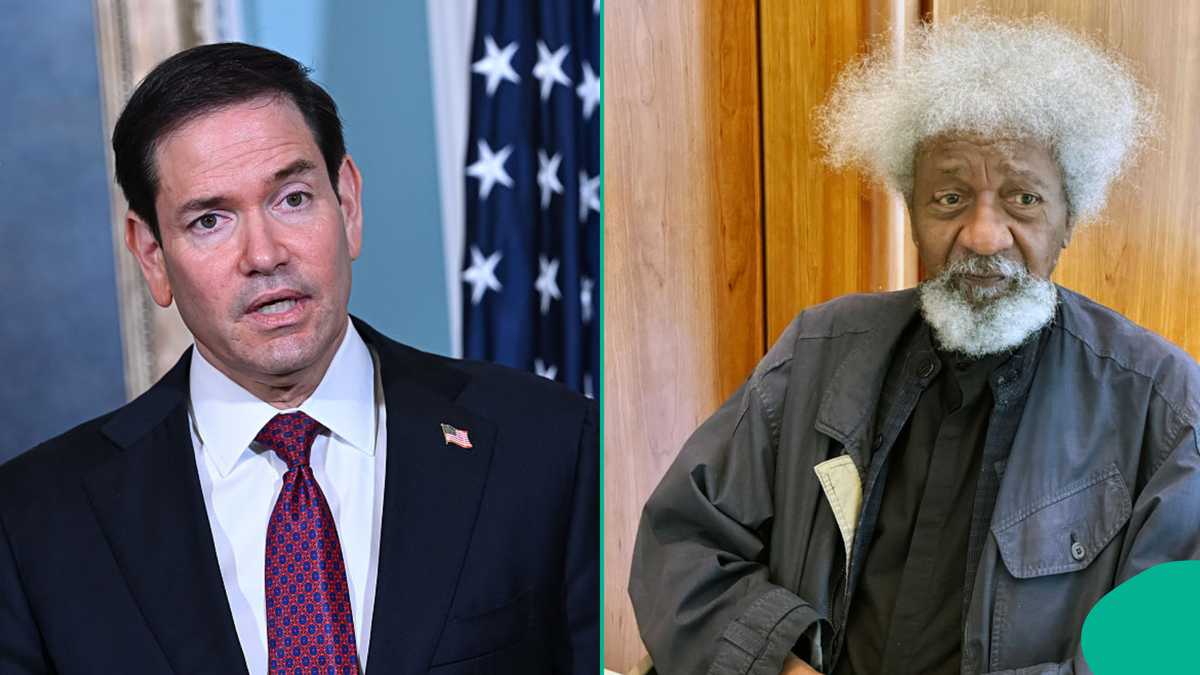
According to BBC, the Nobel Prize-winning author and playwright revealed that his US non-immigrant visa was revoked. The US consulate explained that “additional information became available after the visa was issued.” Soyinka himself suggested the decision might have been linked to his outspoken criticism of US leadership.
Tareq Al-Suwaidan – Kuwait

A well-known Islamic author, speaker, and businessman, Al-Suwaidan was banned from entering the US and other countries. Reports linked this to controversial remarks he made about Israel, which drew international scrutiny.
Anjem Choudary – UK
British Islamist and political activist Anjem Choudary had his travel documents flagged and was banned from multiple countries, including the US. His exclusion was tied to his extremist affiliations and ideological activities.
Maria Luiza Ribeiro Viotti – Brazil
The Brazilian Ambassador to the United States, and former senior UN official, had her visa revoked during a period of heightened diplomatic tension between the US and Brazil. The dispute was connected to election-related disagreements.
Narendra Modi – India
In 2005, before becoming Prime Minister of India, Modi’s US diplomatic/tourist visa was revoked under the International Religious Freedom Act. The decision was linked to allegations regarding his role in the 2002 Gujarat riots. His visa restrictions were lifted in 2014 when he assumed office as Prime Minister.
Gerry Adams – Ireland
The former Sinn Féin president and a central figure in Northern Ireland’s peace process faced decades of US visa restrictions due to his historical ties to the IRA. Over time, waivers and case-by-case visas were granted, allowing him limited access.


Source: Getty Images
Visa revocations as national security measure
Legit.ng earlier reported that the Trump administration has emphasised that visa revocations are a key part of its national security strategy. Officials argue that removing foreign nationals who commit crimes, including drink-driving offences, is essential to safeguarding the American public.
“Every visa decision is a national security decision,” State Department spokesperson Tommy Pigott told Fox News Digital. “Of course, when we think of border security, we think about the Southwest border, but visa security is border security. It’s who we’re allowing into the country legally, and if they operate in a way that is grounds for revocation, we’re going to protect the American people.”
In January, the administration announced that more than 100,000 visas had been revoked in 2025 — more than double the number revoked during President Joe Biden’s final year in office. While many of these revocations were due to overstays, Pigott noted that a significant number were linked to criminal activity, particularly drunk driving arrests,
Source: Legit.ng