
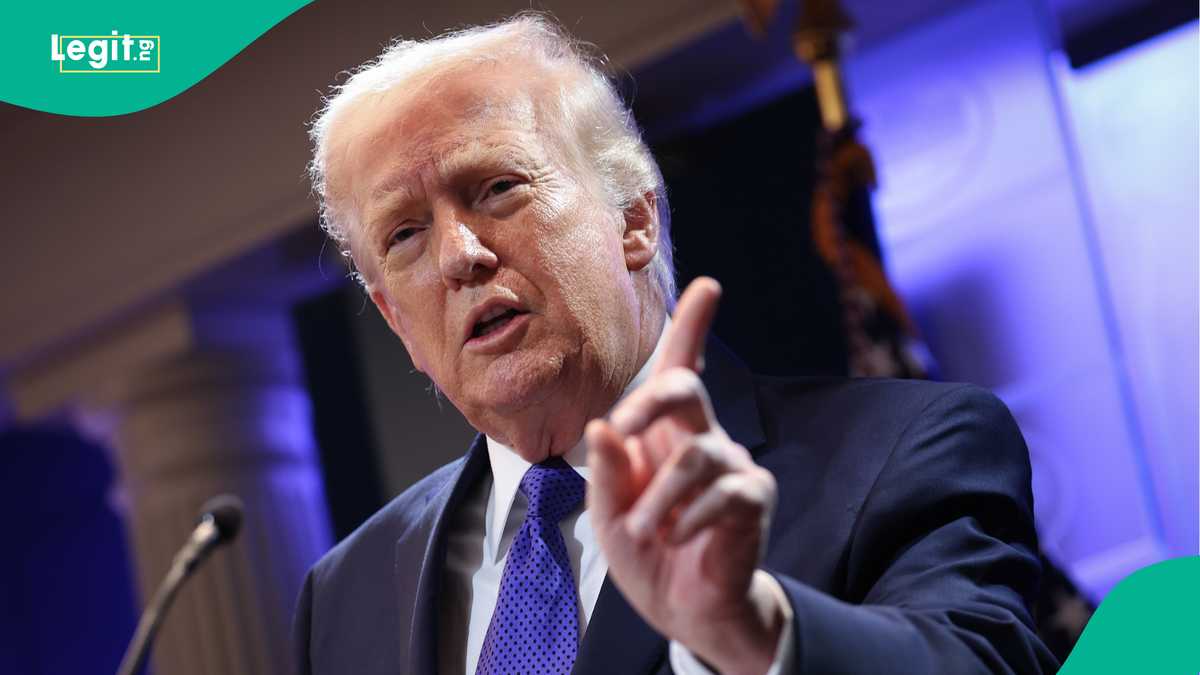

- Three sources familiar with internal US data said the military has used ‘virtually all’ of its ATACMS and Precision Strike Missiles during the Iran conflict
- The dramatic depletion is raising concerns inside the Trump administration about America’s ability to deter adversaries like Russia and China
- A separate CSIS report estimated that 65% of Patriot interceptors and nearly half of all Tomahawk cruise missiles have also been expended since February
The United States Army has exhausted nearly its entire global supply of two of its most critical long-range precision missiles during its five-month military campaign against Iran, according to three people with knowledge of the figures, in a development that has sparked urgent discussions inside the Trump administration about the sustainability of continued strikes.
According to Reuters, the weapons in question are the Army Tactical Missile System (ATACMS) and the newer Precision Strike Missile (PrSM), both of which are surface-to-surface munitions that cost more than $1 million each.


Source: Getty Images
Two of the three sources said the US has used “virtually all” of these weapons since the war began in February, when President Donald Trump launched the conflict jointly with Israel, predicting a swift resolution.
The sources, who spoke on condition of anonymity, said the depletion has triggered tense discussions within the federal government over the past week about how much longer the US can sustain its campaign against Iran before the drawdown threatens its ability to respond to crises in other parts of the world, including potential confrontations with Russia or China.
Trump Pushes Back on Stockpile Concerns
Asked to comment on the figures, the White House issued a statement from Trump, who said the US had “far more munitions than anyone in the world” and “far more than we need.” Trump added: “Our defense companies are, at this moment, making more munitions than they have ever made before, in addition to expanding their plants and equipment at record levels.”

Pentagon spokesperson Sean Parnell said in a separate response: “America’s military is the most powerful in the world and has everything it needs to execute at the time and place of the President’s choosing.”
A fourth source acknowledged the high rate of usage but said Central Command, which oversees US forces in the Middle East, has been restocking from military supplies held around the world.
Defensive Weapons Also Running Low
Beyond offensive missiles, defensive stockpiles have also taken a significant hit. A report published last week by the Centre for Strategic and International Studies (CSIS) estimated that roughly 65% of Patriot interceptors had been used between February and July, while the supply of THAAD ballistic missile interceptors had fallen by at least 38%. Two of the sources confirmed those figures matched internal US data.
One source also said the US has burned through just under half of its global supply of Tomahawk cruise missiles, which are launched from naval vessels including destroyers, cruisers and submarines.
Military advisers have reportedly warned Trump for weeks about the shrinking stockpiles. While some accounts suggested the warnings contributed to Trump’s decision not to launch another major offensive inside Iran, a US official said that decision was driven instead by pressure from Gulf states.

Lockheed Martin, which manufactures both the ATACMS and PrSM, and Raytheon, which produces the Tomahawk and Patriot systems, did not respond to requests for comment.
Iran suspected of cyber-attacks on US water systems
Legit.ng earlier reported that the United States is investigating suspected Iranian involvement in a series of cyber-attacks that targeted water systems across at least seven states, with Minnesota reporting that more than 30 of its water systems were hit in what officials described as a co-ordinated attack.
The FBI confirmed that some of the attacks had degraded water operations. The US Cybersecurity and Infrastructure Security Agency (Cisa) is looking into a possible Iranian connection to the Minnesota incidents, though the agency declined to comment publicly.
Source: Legit.ng