
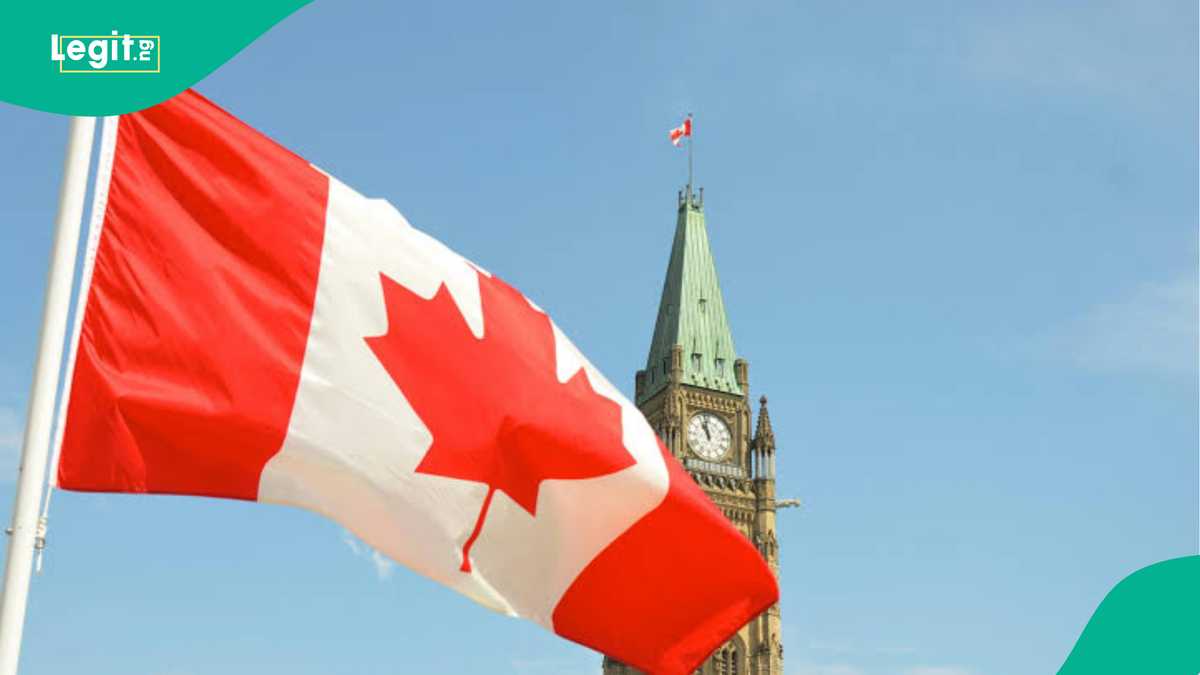

- Canada published new guidance explaining how citizenship by descent is determined through a direct parent-to-child connection
- The rules state that a parent who became a citizen after a child’s birth cannot pass on citizenship to that child through descent
- Applicants are advised to trace their family line from the oldest Canadian-born ancestor forward, one generation at a time
Legit.ng journalist Adekunle Dada has over 8 years of experience covering metro, government policy, and international issues
Canada has clarified the rules governing citizenship claims for people born outside the country, confirming that eligibility depends on a direct, generational link between a child and a Canadian parent rather than broader family connections.
The North American country explained that recognition as a Canadian citizen from birth rests on whether the relevant parent held citizenship at the exact time the child was born.
The guidance was shared via the X account @canadavisa_com on Friday, July 31, 2026, drawing on the framework set out in the Citizenship Act.

“The Citizenship Act recognises a person born abroad to a parent who was a citizen at the time of the birth.”
How Canadian descent rule works
A central point in the clarification is the importance of timing. If a parent acquired Canadian citizenship only after a child was born, that citizenship does not automatically carry over to the child through descent.
“If your parent was granted citizenship after you were born, that citizenship does not pass to you through descent.”
According to The Punch, the rules also draw a clear boundary around which relatives can transmit citizenship. Aunts, uncles, cousins, and other family members who are not direct ancestors in the parent-child line cannot pass on Canadian citizenship, regardless of how closely they are related.
The guidance further notes that marrying a Canadian citizen does not grant citizenship by itself, and adoption by a Canadian citizen is handled through a separate legal process.
What applicants should do?
Authorities advised people exploring a citizenship claim to start by identifying the oldest ancestor in their family who was born in Canada, and then work forward through each generation, checking the citizenship status of each person in that chain at the time the next generation was born.

The clarification follows legal challenges that argued previous restrictions on citizenship by descent were unfair to some descendants of Canadians.
As a result of changes introduced after those challenges, some individuals who were earlier considered ineligible may now qualify for recognition as citizens from birth, rather than only from the date they filed an application.
For those who do meet the requirements, Canadian authorities stressed that applying for a citizenship certificate does not create a new status but simply confirms one that may have existed from birth.
“The certificate is just the part that confirms this status.”
4 conditions that could lead to Canadian visa rejection
Recall that Canada’s government published the specific medical conditions that can serve as grounds to deny a foreigner entry into the country.
The Canadian government listed four health conditions, ranging from tuberculosis to unpredictable or violent behaviour.
Canada cited two key reasons why applicants with any of these conditions could have their visa applications turned down.
Canada explains how Nigerians can become citizens

Earlier, Legit.ng reported that IRCC has outlined the key requirements permanent residents must meet before applying for Canadian citizenship.
The agency said eligible applicants can apply online after meeting requirements such as permanent resident status, physical presence, etc.
IRCC also advised applicants to check current processing times, monitor their application online and prepare for the citizenship test using official study materials.
Source: Legit.ng