

- USCIS has published guidance naming the types of relationships it refuses to recognise as valid marriages under US immigration rules
- The policy affects applicants seeking naturalisation or immigration benefits based on marriage to a citizen of the United States (US)
- Polygamous marriages, proxy marriages, and civil unions are among the relationships USCIS says do not count as valid unions
The United States Citizenship and Immigration Services (USCIS) has outlined five categories of relationships that it will not accept as valid marriages when processing immigration and naturalisation applications, regardless of whether those relationships are legally recognised where they were formed.
Under USCIS policy, the legal standing of a marriage is generally judged by the laws of the country or jurisdiction where the ceremony took place.

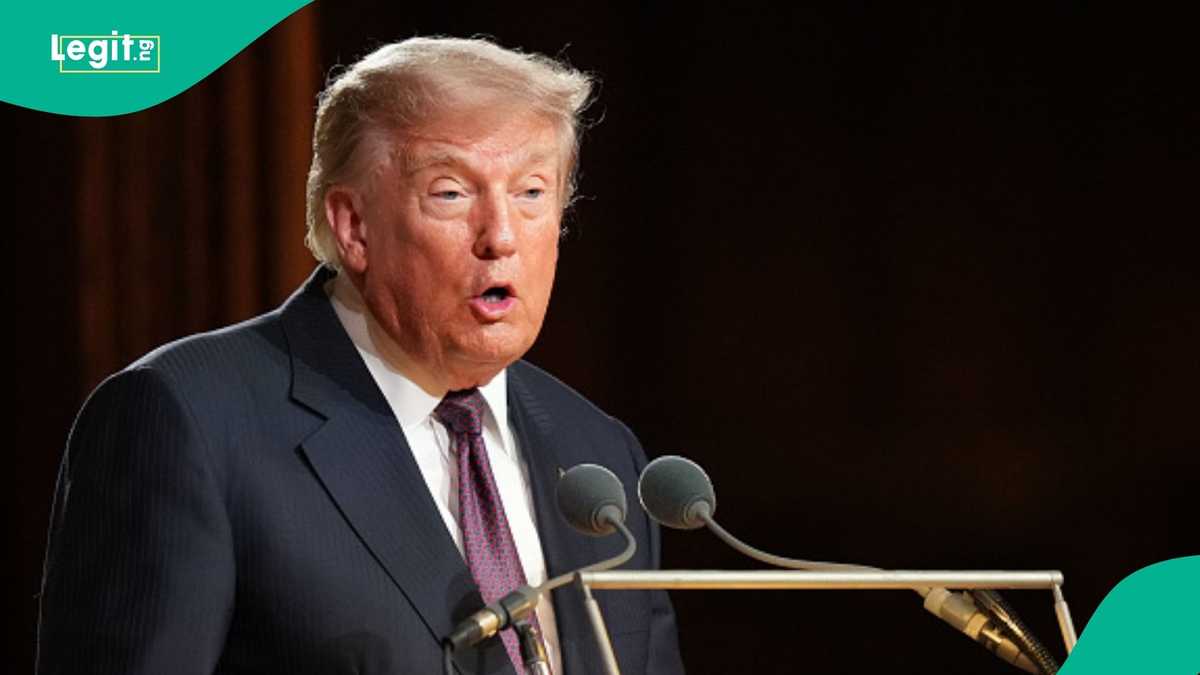
Photo Credit: Pool
Source: Getty Images
However, the agency has identified specific exceptions where it will refuse to acknowledge a union even if it was lawfully conducted abroad or in another state.

What USCIS will not accept as valid marriage
According to the USCIS policy manual, the following relationships are excluded from recognition for immigration purposes:
1. Polygamous marriages.
2. Certain marriages that go against the strong public policy of the state where the couple lives.
3. Civil unions, domestic partnerships, or similar arrangements that are not classified as marriages in the place where they were formed.
4. Proxy marriages, meaning unions where one party was not physically present during the ceremony, unless the marriage has since been consummated.
5. Relationships entered into solely to get around US immigration laws.
What applicants must prove
The burden of proof falls entirely on the applicant, who must show that a genuine and legally valid marriage exists with a US citizen spouse for the required period of time. In most cases, a marriage certificate is treated as sufficient initial evidence that the union was properly conducted.

USCIS noted that the place-of-celebration rule applies broadly, meaning a marriage is generally valid for immigration purposes if it meets the legal requirements of the jurisdiction where it took place. The exceptions listed above, however, represent situations where US federal immigration policy overrides that general principle.
The guidance is contained in Volume 12, Part G, Chapter 2 of the USCIS Policy Manual, which covers marriage and marital unions as they relate to naturalisation eligibility.
In a related story, Legit.ng reported that the US had listed immigration violations that could lead to deportation.
US Embassy updates visa rules for Nigerians
Meanwhile, Legit.ng previously reported that the US Embassy had updated its visa rules for Nigerians.
All applicants, including children, are required to pay a Machine Readable Visa (MRV) fee before their application is processed.
The fee is non-refundable and non-transferable, meaning it cannot be returned or passed on to another person, regardless of whether the visa is approved or denied.
Source: Legit.ng